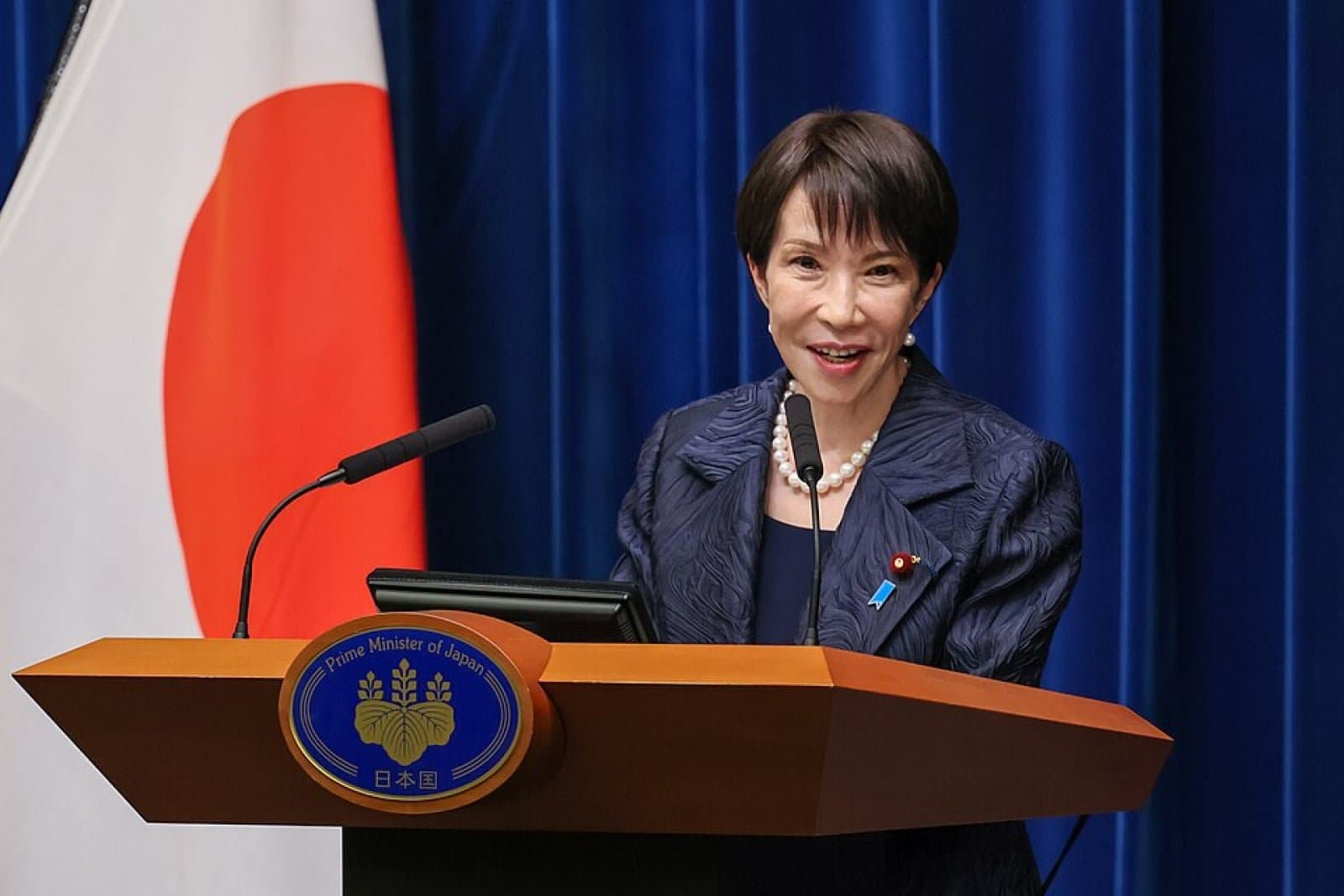
Japan's Prime Minister Sanae Takaichi has publicly denied any involvement or endorsement of the "Sanae Token," a cryptocurrency recently launched using her name. The clarification came during a session at the National Diet, where Takaichi emphasized she was unaware of the token's existence prior to the report.
What sets this case apart from the many coins named after public figures is its link to Tsuyoshi Kinoshita, Takaichi’s chief public secretary. The token is reportedly tied to businessman Ken Matsui, and Kinoshita admitted to communicating with business operators associated with Matsui. However, he stated that he believed the term referred to an app-based points system rather than an actual cryptocurrency. This misunderstanding has sparked debate over whether the Prime Minister’s office knowingly engaged with the crypto project.
Despite this controversy, Takaichi’s administration has been supportive of blockchain technology and Web3 development in Japan. Her conservative government promotes tokenization initiatives while simultaneously tightening regulations to prevent fraud and unauthorized crypto token issuance.
Japan is steadily advancing in its crypto regulatory landscape. Recently, the Finance Minister announced progress towards approving cryptocurrency exchange-traded funds, aiming to follow the United States in this area. The country is expected to approve its first Bitcoin fund by 2028, signaling growing institutional acceptance within the market. This aligns with broader efforts to balance innovation with investor protection.