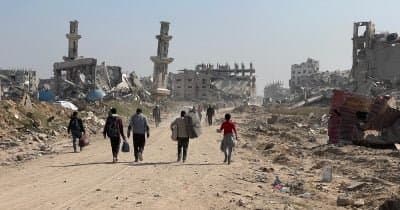
On July 26, Israel's security cabinet approved the entry of an International Stabilization Force (ISF) into Gaza regions not under Israeli control. This marks a significant move in a US-backed peace initiative that began in October 2025.
The ISF, authorized by UN Security Council Resolution 2803, could deploy up to 20,000 troops and police personnel. Major General Jasper Jeffers from the US will lead the operation, focusing on stabilizing Gaza, training local police, and assisting demilitarization efforts. The mission operates under a "Board of Peace" supervised by former US President Donald Trump.
However, delays in securing troop commitments from other nations have complicated the timeline, leaving the transition period uncertain. These challenges raise questions about the ISF's ability to reach its full authorized strength, potentially undermining the mission's credibility.
Crypto Markets Monitor Regional Stability
For cryptocurrency investors, the deployment's progress is key. If the ISF successfully stabilizes Gaza and reduces regional tensions, it could eliminate a persistent tail risk that has influenced macroeconomic models since 2023. On the other hand, setbacks or security deterioration during the transition may trigger short-term risk-off reactions in crypto markets, though such dips are typically followed by rebounds as traders seize buying opportunities.