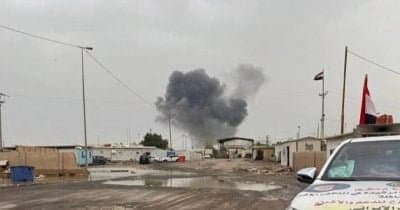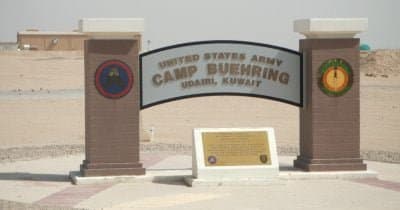
A Telegram channel affiliated with Iran's Islamic Revolutionary Guard Corps published a report on July 22 claiming that suicide drones struck U.S. military bases in Kuwait, including Camp Buehring, one of the largest American installations in the region. U.S. officials have not confirmed the strikes. That gap between claim and confirmation is itself familiar: in prior rounds of the Iran-U.S. confrontation, Washington has repeatedly disputed or simply declined to acknowledge the extent of reported damage.
Suicide drones, sometimes called loitering munitions, are single-use weapons built to detonate on contact. They are cheaper than cruise missiles and harder to intercept at scale, which is part of why they have shown up repeatedly in this conflict. The IRGC and affiliated groups have used variants of this technology in Iraq, Syria and the Red Sea corridor over the past two years.
What the Prediction Markets Are Pricing In
The report landed alongside a notable move on prediction platforms. Contracts tracking the probability of Iranian military action against a Gulf state on July 22 jumped 25 percentage points, settling at 59% YES. That kind of repricing reflects traders treating the Telegram post as credible enough to shift odds, even without official verification. Prediction market signals have tracked Gulf escalation narratives closely before, though they can swing sharply on a single denial from U.S. Central Command.
The broader regional backdrop matters here. Iran and the U.S. have been trading retaliatory strikes across multiple theaters, and Kuwait, which hosts thousands of American troops, sits squarely in that geography. Any confirmed hit on a U.S. base would represent a direct escalation beyond proxy engagements. That distinction is why markets moved at all.
Figures to Watch
Statements from Supreme Leader Ali Khamenei or IRGC Commander Hossein Salami would carry the most weight in the next 48 hours, either as confirmation of intent or as a signal of restraint. On the American side, a formal response from U.S. military officials in Kuwait or from Central Command would set the tone for whether this episode is treated as an isolated provocation or something requiring a direct reply. Kuwait's own government has stayed publicly silent so far.
Geopolitical flare-ups of this kind have ripple effects across risk assets, including crypto markets, where sentiment tends to tighten when Gulf headlines escalate. The situation remains unverified at this stage.
This article is informational only and does not constitute financial or investment advice.