Negotiations between Iran and the US in Islamabad hit a major snag as Iran rejected two key demands from Washington. This setback deepens the already strained diplomatic efforts linked to the 2026 ceasefire talks following the Iran conflict. The issues at the heart of the deadlock involve nuclear restrictions and regional security concerns.
Deputy Foreign Minister Kazem Gharibabadi warned that if Tehran refuses to accept these demands, the talks are likely to fail. This tough stance highlights the persistent challenges facing diplomats trying to resolve tensions between the two nations.
Market Reactions Reflect Growing Doubts
The uncertainty surrounding the talks is mirrored in prediction markets. The chance of the US ending the Iranian blockade by July 31, 2026, has dropped sharply from 22% to just 10.5% within a day. Likewise, the odds of a US-Iran diplomatic meeting happening by the same deadline have fallen to 5.5%. These shifts signal that investors and observers are losing confidence in a swift breakthrough.
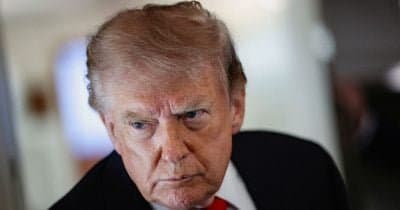
Such market movements shows the tangible impact of diplomatic stalemates on geopolitical risk assessments. Any future announcements from US President Trump or Iranian officials could shift the balance, but for now, skepticism prevails. Regional developments, including the actions of Israel or neighboring states, are also being closely watched as they may influence the talks.
What to Expect Next
Watch for statements from both capitals for clues about potential changes in negotiation dynamics. The ongoing blockade remains a critical issue, with its future tied directly to these talks. The diplomatic landscape remains volatile, and the current trajectory suggests a prolonged impasse.
This material is for informational purposes and does not constitute financial advice.