Iran continues striking targets across the Gulf as the United States quietly pushes for negotiations in Tehran. The paradox is stark. Military escalation runs parallel to backroom diplomacy, leaving shipping companies and traders in limbo over whether the Strait of Hormuz will ever return to normal operations.
The Iranian regime has kept up its aggressive posture in recent weeks. Simultaneously, Washington signals willingness to strike a deal. This contradiction shapes everything from oil prices to how markets price the odds of a full settlement. Investors are watching closely because a breakthrough could unlock reconstruction funding and regional stability, but persistent attacks suggest Tehran may not be serious about backing down.
What's Actually at Stake
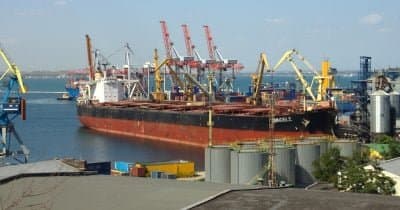
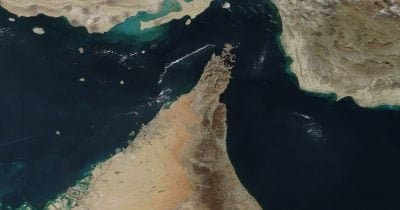
The Strait of Hormuz handles roughly one-third of global seaborne oil traffic. When tensions spike, shipping costs rise, insurance premiums jump, and companies reroute vessels around Africa. The financial toll compounds quickly. A normalization agreement would unlock an estimated $50 billion in blocked Iranian assets and potentially include Western reconstruction investment, but only if both sides genuinely commit to de-escalation.
Market pricing reveals deep skepticism. Traders are factoring in low odds that Iran will actually agree to reconstruction terms while continuing military operations. The math doesn't work. You don't simultaneously wage a proxy campaign and negotiate in good faith. Either something shifts, or this drags on until one side backs down.
What Comes Next
Watch for three signals. First, any formal statement from either government about military posture or ceasefire terms. Second, whether Iranian attacks taper off or intensify over the next 30 days. Third, whether the US signals a timeline for talks or walks away quietly. Each tells you something about where this actually heads.
This article is informational only and does not constitute financial or investment advice. Geopolitical developments carry material risk to commodity markets and energy infrastructure.