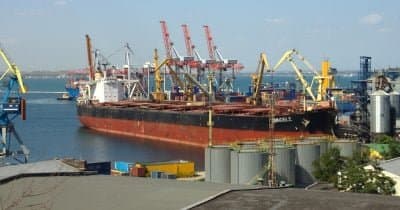
Blasts tore through Odessa on August 4th. Russian forces fired Onyx missiles at the port city, setting off explosions and sending smoke into the sky. The supersonic missiles landed on infrastructure in Ukraine's most critical trade hub, underlining Moscow's push to strangle the country's economic lifeline.
Odessa sits at the mouth of the Black Sea. It handles most of Ukraine's grain exports and serves as a gateway for nearly all maritime cargo. Targeting it makes military sense for Russia, which has spent two years trying to isolate Ukraine from global markets. Each attack chips away at the port's capacity and forces the country to reroute shipments through smaller, less efficient routes. The latest strike fits a pattern: Odessa has absorbed dozens of Russian attacks since the war began.
The choice of Onyx missiles matters. These are hypersonic weapons, traveling faster than sound and harder to intercept than cruise missiles most forces rely on. Their deployment signals that Russia is escalating not just in frequency but in the sophistication of its arsenal. Ukrainian air defenses struggle against such speeds, leaving the city increasingly vulnerable.
Market participants are already pricing in higher odds of further Russian advances. Traders tracking conflict-related futures see the intensity of these strikes as a signal that Moscow intends to maintain military pressure through the rest of 2026. Observers watching the situation are waiting for any shift in diplomatic channels or changes in Western military aid to Ukraine. Those signals could shift calculations about whether Russia pushes for territorial gains or settles into a grinding campaign against infrastructure.
This article covers military developments and market implications. It is informational only and not investment advice.