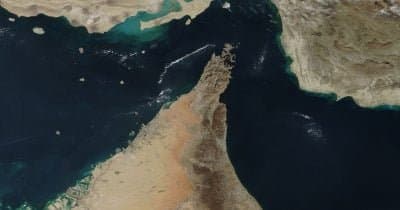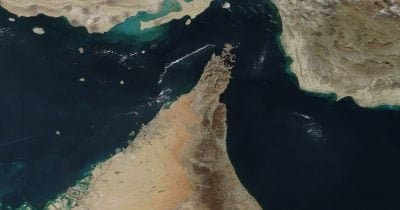
Sources at Ynet News are reporting that Iran and Oman have nearly hammered out terms to jointly oversee maritime traffic through the Strait of Hormuz and begin collecting service fees from passing vessels. This isn't some abstract negotiation anymore. The two countries appear ready to move from backroom talks into implementation, with Oman acting as the linchpin between Tehran and Washington as broader diplomatic efforts continue. What started as wartime disruptions threatening global shipping is morphing into something more orderly, at least on paper, though exactly which fees will be mandatory and which voluntary remains contentious.
Markets are already pricing in the shift. Betting odds have climbed to 66.5% by December that Iran will impose these transit levies before the August 31 deadline, reflecting trader confidence that some form of deal actually closes. The framework itself matters less than the mechanics. If Iran secures a revenue stream from Hormuz traffic, that changes the calculus for sanctions relief negotiations and how Western powers interact with Tehran on energy markets. Recent incidents involving ships near the chokepoint have already spooked carriers and insurers, so any formal arrangement could paradoxically improve safety conditions by establishing clear rules rather than leaving operators guessing at Iranian intentions.
The real test arrives when statements start flowing. Watch for official word from the Iranian Revolutionary Guard Corps or parliament confirming the fee system goes live. Any signed agreement between the U.S. and Iran explicitly banning tolls would crater the deal overnight. Oman's stance is equally critical, since if Muscat refuses to recognize the fees, the whole structure collapses. Major shipping lines and Lloyd's List will eventually report whether vessels are actually paying, and those confirmations will move the needle on market odds faster than any press release. For now, the momentum is Iran and Oman's to lose.
This article is for informational purposes only and should not be construed as financial advice. Predictions and market odds carry significant uncertainty and may shift rapidly based on geopolitical developments.