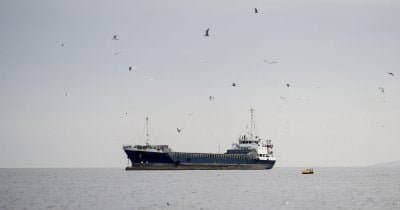
Tehran has firmly turned down the opportunity for peace negotiations as military tensions with the United States escalate over the strategic Strait of Hormuz, a vital route for global oil shipments. The breakdown of a ceasefire established on June 17, which followed Iranian attacks on commercial vessels and retaliatory strikes from the U.S., has intensified hostilities in the region.
Current Situation
The U.S. maintains its position of keeping the Strait open for international trade, while Iran has tightened its military control, asserting sovereignty over the waterway. The situation has sparked market concerns regarding the potential continuation of the blockade, with analysts noting a decreased probability for its conclusion by mid-August. Currently, the odds for the U.S. declaring an end to the blockade by August 15 stand at 37.5%, indicating significant skepticism among market participants.
Reactions and Implications
Military actions and diplomatic statements from both the U.S. and Iran are crucial for observers tracking the situation. Any unexpected shifts in dialogue or military posturing could influence market perceptions significantly. The upcoming August 15 deadline for assessing the blockade's status is particularly noteworthy, as market pricing is likely to react to any major geopolitical developments. The recent Iranian strikes have already resulted in increased oil prices, further complicating the geopolitical landscape.
This material is for informational purposes only and does not constitute financial advice.