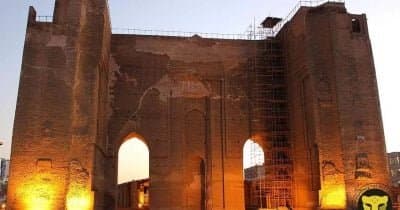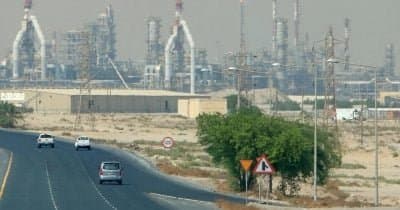
Kuwait's fire services controlled a blaze on July 14 after Iranian missile attacks targeted energy facilities, with no reported injuries. This incident marks an escalation in ongoing tensions in the Gulf region.
Details of the Incident
The missile strikes are part of a broader Iranian campaign against U.S.-aligned Gulf states throughout 2026. Locations like Ali Al Salem Air Base in Kuwait have already been targeted, alongside similar strikes in Bahrain and Jordan, highlighting a coordinated effort to challenge American interests.
Earlier, on March 19, 2026, drone strikes hit Kuwait's Mina Al-Ahmadi refinery, causing minor fires. The recent attacks have also threatened Kuwait International Airport, raising concerns about disruptions to civilian transport in addition to energy supply.
Market Reaction
In response to the renewed Iranian aggression, Brent crude prices jumped 9.6%. Continued strikes on refinery infrastructure could lead to prolonged supply disruptions, particularly since Mina Al-Ahmadi processes a significant portion of Kuwait's crude output. This uncertainty may keep risk premiums high beyond individual incidents.
The Crypto Connection
Historically, Iran has accepted Bitcoin for toll payments as a method of circumventing international sanctions. Market estimates indicate that Iranian demand for Bitcoin, primarily related to toll payment and sanctions evasion, could be around $7.7 billion annually. As several Gulf states enhance their digital asset frameworks, the volatility caused by conflict could drive greater institutional interest in alternative reserve assets like Bitcoin.
This article is for informational purposes only and does not constitute financial advice.