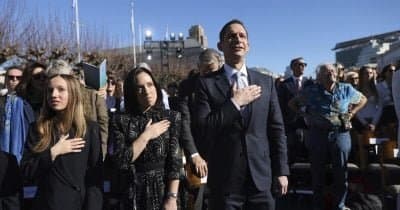
San Francisco is moving towards moderate politics, marked by the recent rejection of Proposition D, which aimed to impose a tax on high-paid executives. The measure was defeated with 53.6% voting against it, signaling a shift away from the city’s traditionally progressive policies under Mayor Daniel Lurie.
Mayor Lurie, who is also an heir to the Levi Strauss fortune, has been consolidating support for centrist candidates and agendas through an extensive political network. This transition may influence broader perspectives on future tax measures within California and impact the political dynamics leading into upcoming elections.
Market reactions showcase expectations surrounding California's proposed billionaire wealth tax set for the November 2026 election. Pricing for passing the wealth tax currently stands at 29.5% probability, a slight drop from previous weeks. Analysts regard these developments in San Francisco as a potential reflection of a larger moderation trend in state-level policies, possibly dampening the prospects for similar progressive initiatives.
Political responses from key players, including gubernatorial candidates, will also be key. Their positions on progressive tax measures will be closely watched as they prepare for upcoming elections. The implications of San Francisco’s political shift may serve as a bellwether for statewide trends, altering the strategies candidates adopt moving forward.
Stakeholders are likely to focus on the certification of initiatives by California Secretary of State Shirley Weber for the November ballot. Furthermore, endorsements and any changes in polling data related to the impending wealth tax will be critical indicators of shifting public sentiment.
This content is informational and should not be taken as financial advice.