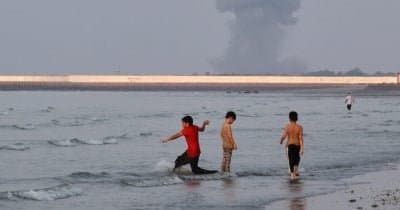
Iran declared it will block vessels owned by entities with frozen Iranian assets from transiting the Strait of Hormuz, a vital artery for global oil flows. The move sharpens Tehran's tactic to pressure the United States into releasing billions of dollars in frozen funds.
The Strait of Hormuz is a narrow maritime chokepoint that funnels about 20% of the world’s oil supply. Iran’s control over this passage has long been a strategic lever amid its tense relations with the U.S., especially as sanctions have frozen Iranian assets overseas. By threatening to deny access to tankers linked to those holding these funds, Iran is escalating a standoff that could disrupt energy markets and heighten geopolitical risk.
Impact on Energy and Market Sentiment
Market analysts note a rising probability that Iran might impose transit fees or blockades, which has nudged prices and trader sentiment. This measure could affect hundreds of oil shipments daily, with about 18 million barrels crossing the strait each day. Investors and energy firms are closely watching for further Iranian statements or potential U.S. countermeasures, as any escalation could ripple through global energy prices and supply chains.
This material is informational and not financial advice.