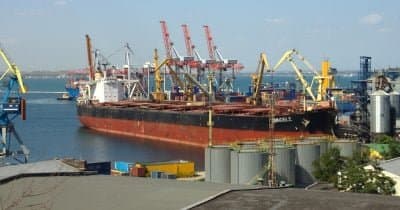
Iran's negotiations with Oman over Strait of Hormuz security have advanced into their final stages, according to officials quoted by Press TV. The diplomatic push matters because roughly 21% of global oil shipments pass through that narrow waterway, making any agreement on maritime traffic rules potentially significant for energy markets worldwide.
Where the deal stalls
Tehran blames U.S. obstruction for delays. American officials and allied regional powers continue to resist the framework, creating friction that's slowed progress even as both Iran and Oman report movement on technical details. The gap between the parties hasn't narrowed on core sovereignty issues, though both sides have tabled revised proposals since early summer.
Market pricing the outcome
Prediction markets currently assign a 47.5% probability to a signed agreement by August 31, 2026, up slightly from the previous week. Traders appear cautious but not dismissive of the diplomatic path. A confirmed date for the next negotiating round would likely trigger fresh positioning, especially among commodity desks watching for supply-chain stability signals.
What moves next
Watch for statements from U.S. officials or Iran's foreign minister Seyed Abbas Araghchi that might signal tactical shifts. If either side announces a breakthrough on maritime enforcement mechanisms or accident-response protocols, the odds would shift materially higher. Conversely, public criticism from Washington or its Gulf partners could freeze talks indefinitely. The real test comes in the next 60 days.
This article presents market analysis and diplomatic developments. It is not investment advice and does not constitute a recommendation to trade or hold any asset.