August 4, 2026. Iran is considering whether to let British and French navies remove mines it laid in the Strait of Hormuz earlier this year. The move would ease one of the year's biggest supply chain risks.
Tehran placed somewhere between 10 and a dozen mines in the waterway during recent escalations. A US-Iran agreement gives Iran 30 days to clear them and restore shipping. The problem: Iran built the mines but can't easily remove them.
Mine-clearing is slow, dangerous work. Divers and specialized equipment need weeks or months to locate drifting devices in a busy shipping corridor. Iran's navy simply lacks the expertise and equipment to do this alone. The UK Royal Navy operates advanced mine-hunting drones designed exactly for this. France, Germany, the Netherlands, and Italy could also pitch in through EUNAVFOR, the EU's naval command structure.
Using European ships instead of American ones serves both sides diplomatically. Iran gets its mines cleared without looking like it capitulated to Washington. NATO allies handle the operation within existing frameworks that don't require direct US involvement.
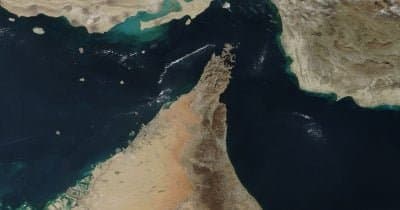
The Strait of Hormuz is where roughly one-fifth of all seaborne oil transits globally. During the Iran-Iraq Tanker War in the late 1980s, Iranian mines damaged several commercial vessels and the US Navy destroyer USS Samuel B. Roberts. The waterway is only 21 miles wide at its narrowest point, making it vulnerable to disruption.
Current shipping delays have already spiked insurance costs and rerouted vessels, pushing expenses onto supply chains worldwide. Clearing the mines quickly matters not just for Middle East stability, but for refineries, petrochemical plants, and energy consumers across Europe and Asia.
This article is informational and does not constitute financial or geopolitical advice. Actual policy outcomes depend on ongoing negotiations between involved parties.