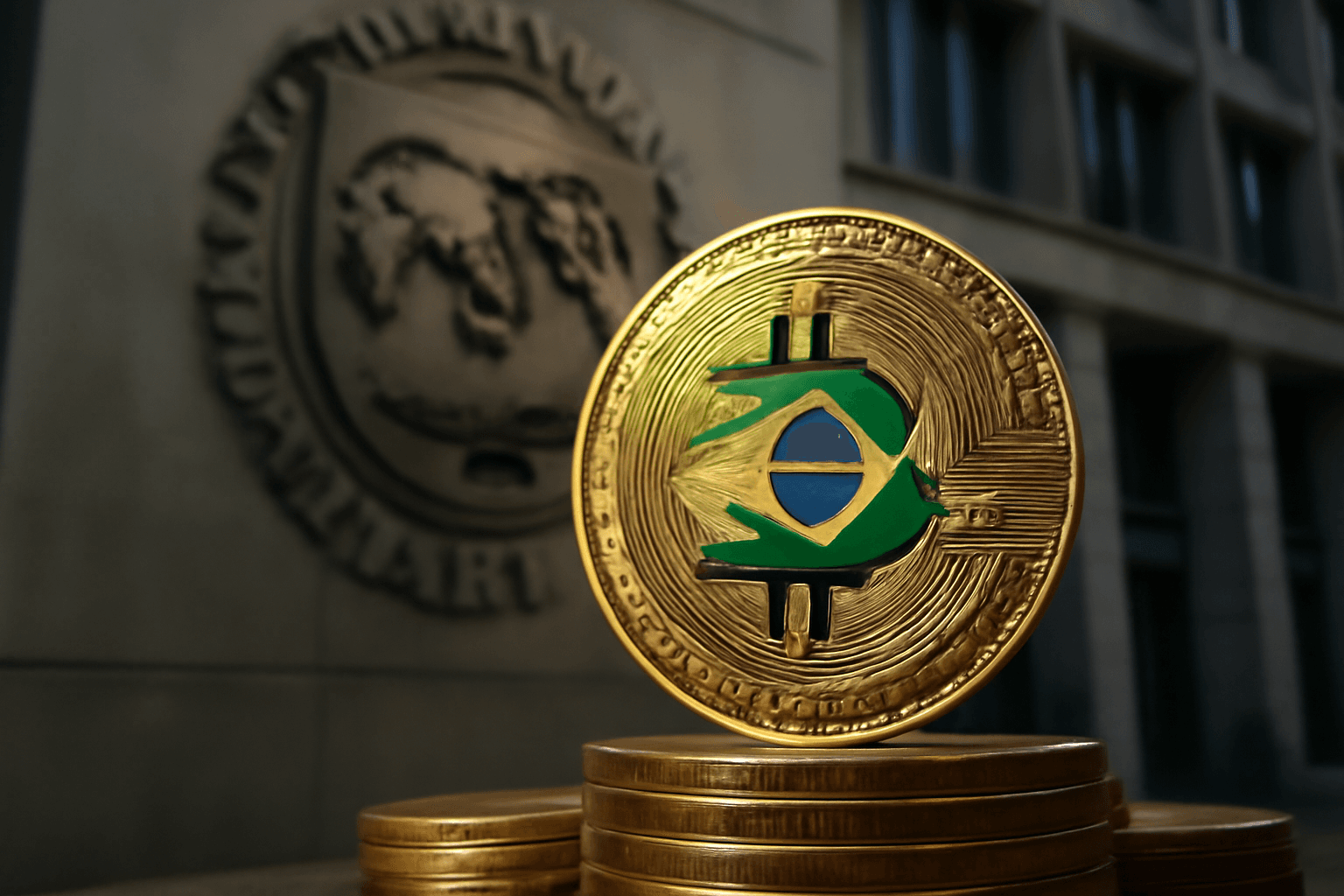
Brazil’s stablecoin sector has exploded, becoming Latin America’s largest, but this growth comes with new vulnerabilities. The IMF points out that stablecoin transactions are expanding at a pace three times faster than traditional capital flows. This rapid influx, overwhelmingly dollar-pegged, exposes Brazil’s economy to external shocks that could ripple through its financial system.
Stablecoin Growth Outpaces Traditional Finance
With nearly 89% of Brazil’s crypto volume tied to dollar-pegged tokens, the country sits on a fragile bridge between global market forces and domestic finance. The International Monetary Fund warns that sudden market disturbances elsewhere could cascade into Brazil’s economy because of this dependence. As stablecoins bypass some conventional regulatory frameworks, they present challenges for monetary policy and financial stability in emerging markets.
Implications for Brazil’s Economic Landscape
This surge in stablecoin activity demands attention from regulators and policymakers. Brazil’s Central Bank recently tightened forex rules, signaling concern about crypto’s growing influence on capital flows. If a shock hits global markets, the effects could be severe for Brazil, potentially destabilizing its currency and financial institutions. The situation echoes broader crypto market trends where regulatory measures struggle to keep pace with innovation, reflecting tensions seen in other regions and assets like bitcoin and crypto ETFs.
This content is for informational purposes only and does not constitute financial advice.