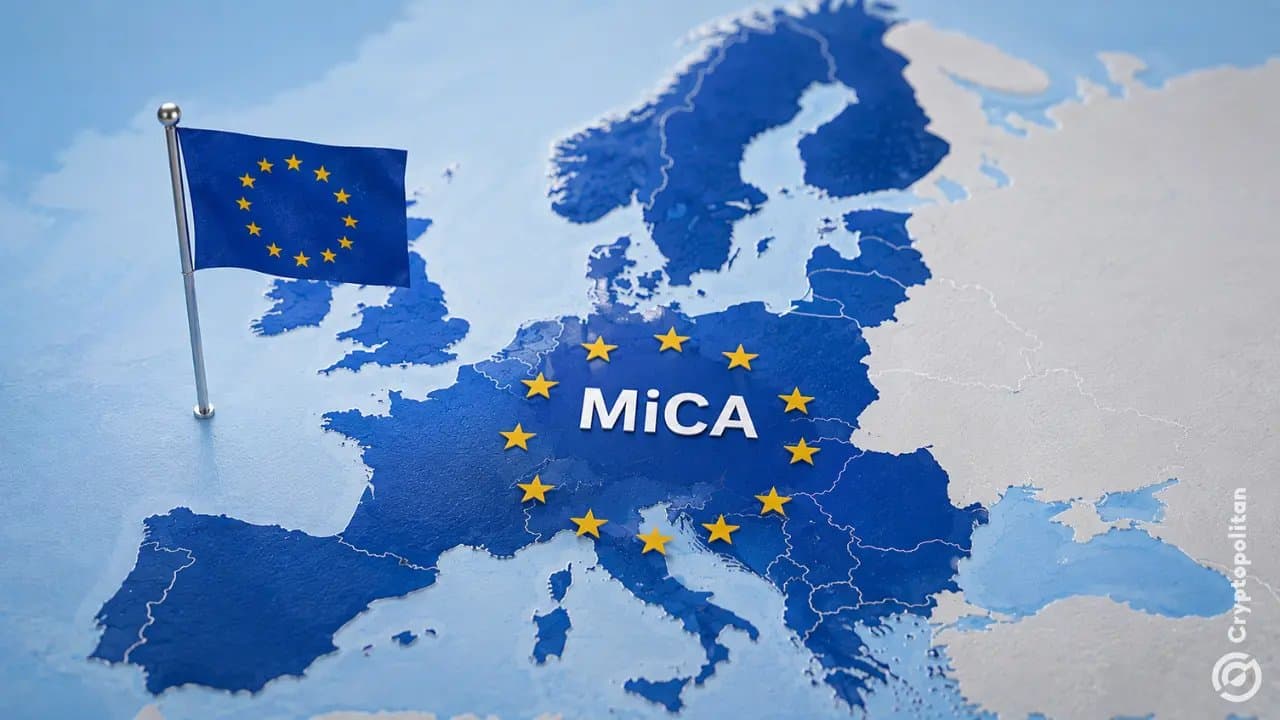
Hungary’s crypto scene is shifting gears with two moves that seem to pull in opposite directions. On one hand, the government just scrapped mandatory third-party checks for some crypto conversions, easing the burden on users and businesses. On the other, the National Bank handed out the country’s first MiCA license, signaling a commitment to formalizing crypto operations under European Union rules.
Dropping Validation Checks: A Faster Path for Certain Crypto Deals
The recent parliamentary repeal removes the need to verify asset origins, wallet ownership, and customer data for specific crypto conversions. This change cuts out a compliance step that used to sit between users and transactions, making some crypto exchanges quicker and less cumbersome. However, the repeal is narrowly targeted; it doesn’t cover all conversions, and the exact categories affected remain unclear. This leaves room for uncertainty about which transactions still face the old rules and which now skip straight to execution.
First MiCA License Goes to CoinCash Operator Tiwala Solutions
Just days after easing validation demands, Hungary’s central bank issued its inaugural MiCA license on July 20, 2026. Tiwala Solutions, known for running the CoinCash platform, gained authorization to offer a broad suite of crypto services. These include custody, crypto-to-fiat and crypto-to-crypto exchanges, transfers, investment advice, and portfolio management. This license places Tiwala squarely within the EU’s regulatory framework, promising stronger oversight and legitimacy. While validation requirements loosen in some corners, this move establishes a formal structure for compliant crypto businesses.
The contrast between reducing compliance hurdles and granting a full license highlights Hungary's nuanced approach to digital assets. It’s a balancing act between easing user friction and ensuring regulated activity aligns with European standards.
This material is provided for informational purposes and does not constitute financial advice.