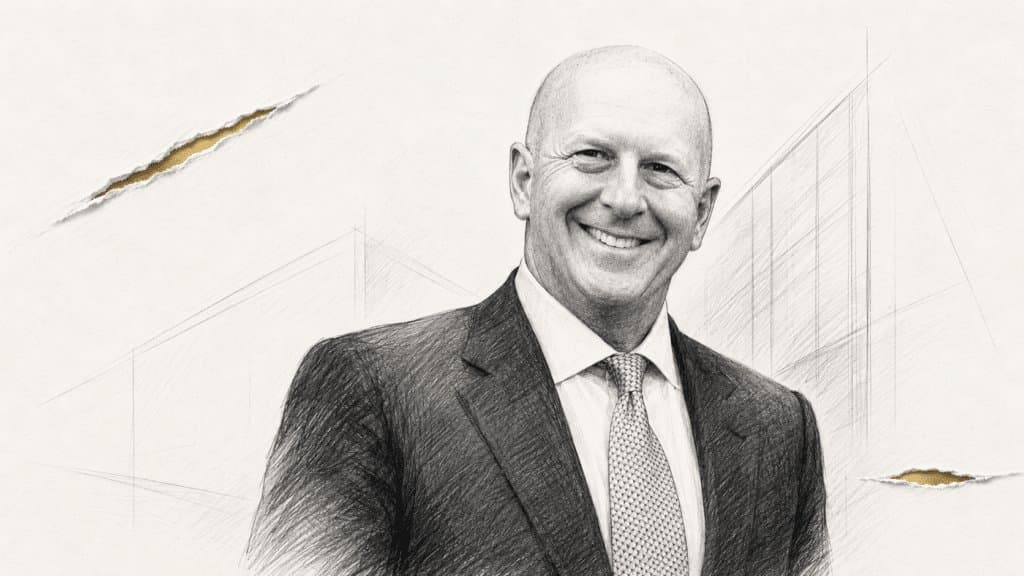
David Solomon, the CEO of Goldman Sachs, has taken a notable stance in favor of the Clarity Act, a bill aimed at shaping the crypto market structure. His endorsement stands out as other banking leaders openly oppose key elements of the legislation. Solomon described the bill as flawed but valuable for establishing fair rules to foster market stability and innovation.
Goldman Sachs Breaks Ranks
While many traditional banks resist parts of the Clarity Act, Solomon’s support signals a split within Wall Street. The divide largely reflects the different priorities of commercial banks versus investment banks. Community and regional banks have raised alarms about a provision regarding stablecoin yields. They argue that the current wording is ambiguous and could drain deposits from smaller banks, weakening their ability to lend to local businesses.
JPMorgan CEO Jamie Dimon has been vocal in his opposition, warning that letting crypto platforms offer yields without standard banking regulation risks a financial crisis. In contrast, Solomon sees the bill as opening opportunities for regulated institutions that have so far remained cautious to engage more fully with digital assets.
Political Hurdles Around the Clarity Act
Despite Solomon’s backing, the bill faces resistance from some Senate Democrats. Seven members, led by Maryland’s Angela Alsobrooks, criticized the current draft for lacking strong measures on ethics, consumer protection, illicit finance, and market integrity. They remain skeptical about enforcement, especially given concerns over the Trump Justice Department’s role. The proposal would prohibit sitting elected officials from issuing digital assets for pay, but Democrats call for tougher safeguards.
The Clarity Act aims to divide regulatory duties between the Securities and Exchange Commission (SEC) and the Commodity Futures Trading Commission (CFTC). The House passed a version in July 2025, and the Senate Banking Committee approved its draft in May by a 15-9 vote. However, securing the 60 votes needed in the Senate remains challenging. Majority Leader John Thune is targeting a vote soon, adding urgency to the debate.
This material is for informational purposes and does not constitute financial advice.