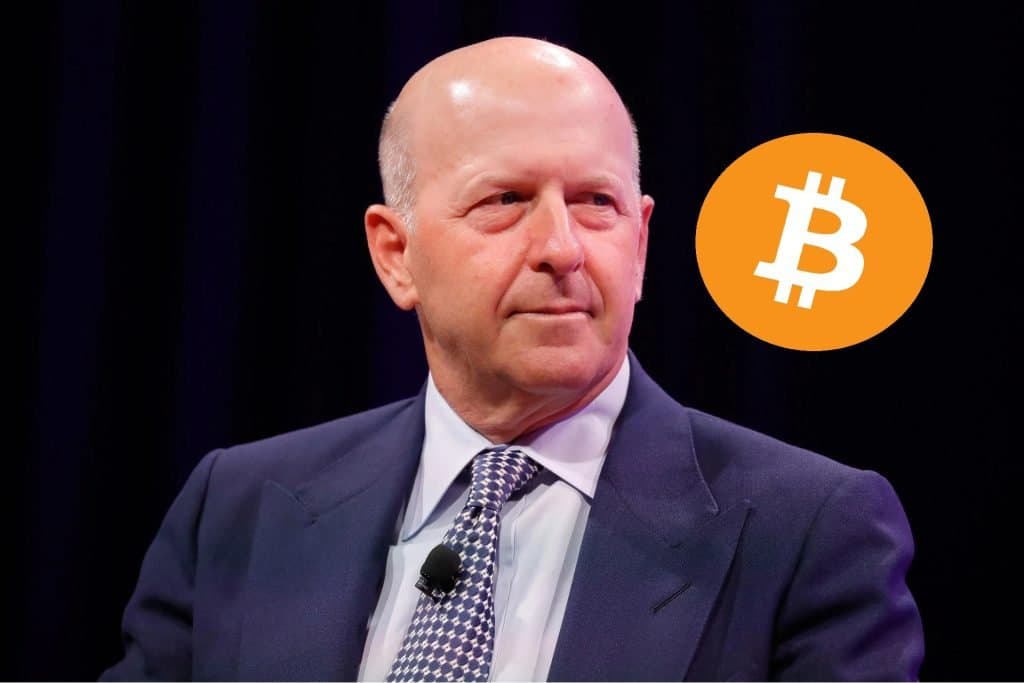
David Solomon came out in open support of the Clarity Act, the US bill designed to build a regulatory framework for digital assets, putting Goldman Sachs in a different camp from several other big-bank chiefs. The Senate is expected to vote on the legislation next week, and Republican senators are still working through an updated version of the text.
Speaking in a recent interview, Solomon was direct: "As with all legislation, there are many issues to be discussed regarding the Clarity Act. However, one of the most important things the bill does is create a level playing field that will enhance market stability and allow these markets to develop in a healthy manner." He added that he "strongly supports the advancement" of the bill so that market structures can be established and innovation can move forward, even while admitting the bill is far from perfect.
Where Wall Street Is Split
Not everyone at the top of American banking shares Solomon's view. JPMorgan Chase CEO Jamie Dimon pushed back in May, arguing that the bill's final text would let stablecoin issuers offer deposit-like returns to holders without having to meet the banking protections that actual deposit-taking institutions must follow. JPMorgan went further in a June assessment, stating that any company offering functions similar to a traditional bank account should face the same consumer protection rules as a bank.
The core dispute comes down to one question: should stablecoins that pay yield be regulated like deposits? The crypto industry says a flexible framework encourages competition. Banks say that flexibility creates a loophole that puts consumers at risk and tilts the playing field against regulated lenders.
What the Clarity Act Would Change
If passed, the bill would give the US cryptocurrency market its first formal regulatory structure, something the industry has been waiting on for years. The main points driving the debate include:
- Rules on whether stablecoin holders can receive interest or similar returns
- Which assets qualify as securities versus commodities under US law
- Consumer protection standards for crypto products that resemble bank accounts
A Senate vote is scheduled for next week. Solomon's public endorsement gives the bill a notable backer from traditional finance at a moment when the outcome is still uncertain, and the gap between banking incumbents and crypto-native firms over yield-bearing stablecoins remains the sharpest sticking point.
This article is for informational purposes only and does not constitute financial or investment advice.