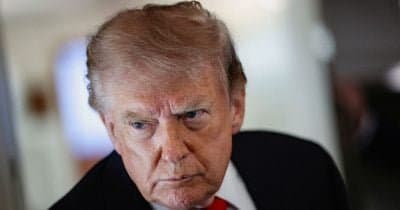
"If provoked, strikes could become necessary," Victoria Coates, who advised Donald Trump on national security, told insiders recently. While the Trump administration has held back from hitting Iranian infrastructure so far, Coates’s remarks reveal that the threat of military action remains on the table. The tension over the Strait of Hormuz and Iran’s blockade continues to strain U.S.-Iran relations, with the possibility of escalation growing as diplomatic efforts stall.
Trump’s team had earlier floated the idea of targeting Iran’s strategic assets but decided against immediate strikes, aiming to keep negotiations and ceasefire options open. Market watchers are now factoring in the reduced odds of a swift end to the blockade, with prediction markets showing just a 21.5% chance of resolution by July 31, 2026. This shift in sentiment reflects increased skepticism about peaceful outcomes and growing uncertainty about U.S. responses.
Financial markets tied to the conflict are bracing for volatility as investors digest the risk of sudden military escalation. Any official announcement of a strike or renewed diplomatic commitments could swing the market dynamics sharply. Meanwhile, Iran’s next moves will be critical in shaping how this standoff evolves. This evolving situation calls for close monitoring of public statements and geopolitical developments.
The path forward remains unclear, but the stakes are high. As bond markets price in uncertainty, the prospect of military action shows the fragile balance in the region.
This article is for informational purposes and does not constitute financial advice.