Oil prices surged above $100 a barrel last week after Donald Trump threatened military action against Iran following attacks on commercial shipping by Houthi forces. The threat raised fears of disruptions in key shipping lanes like the Red Sea and the Strait of Hormuz, critical pathways for global oil trade. Such developments pushed gasoline prices over $4, hitting consumers hard and stoking inflation concerns.
On the same day, Trump called off a planned military strike on Iran, ending a 13-day streak of daily threats. This shift came as an Omani delegation arrived in Tehran to discuss reopening the Strait of Hormuz, according to regional sources who reported some progress in talks.
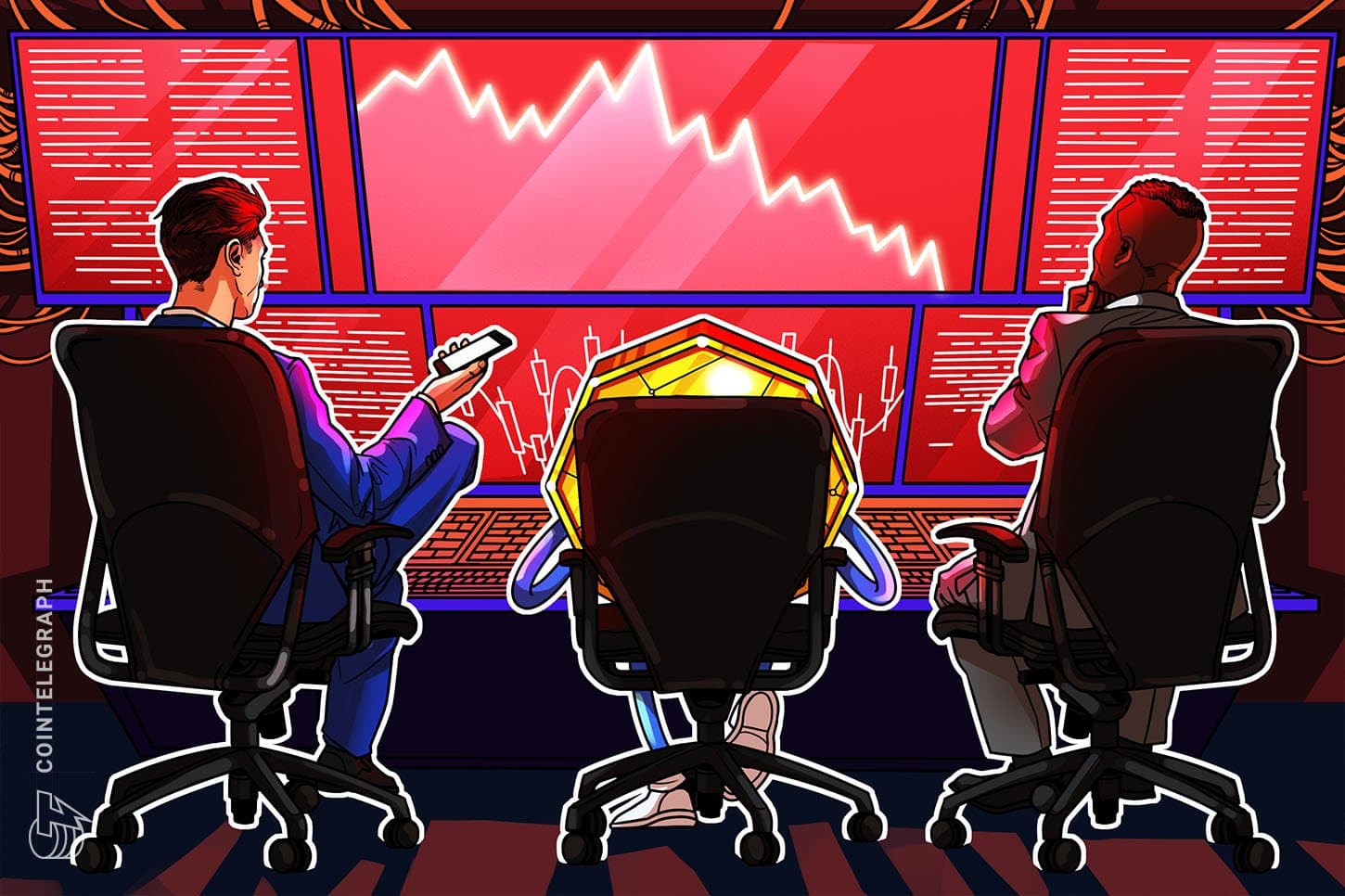
The jump in oil prices is more than just a number. Higher energy costs often ripple through the economy, raising transportation and manufacturing expenses. This tends to keep inflation elevated and can force central banks to hold off on lowering interest rates or keep monetary policy tight. The result is increased pressure on riskier assets, including technology stocks and cryptocurrencies like Bitcoin, which also saw declines as bond yields rose.
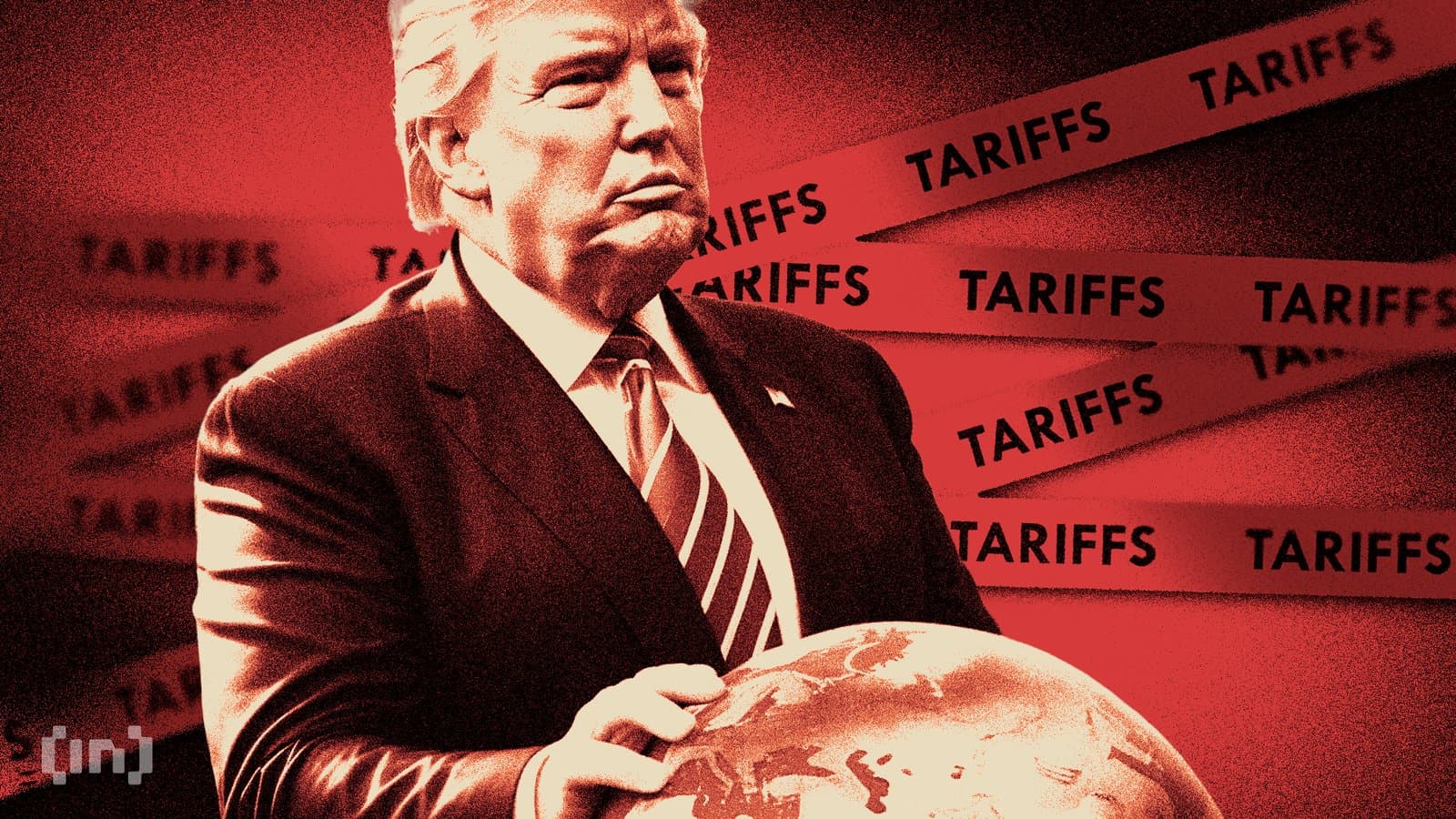
Meanwhile, Trump's trade policies expanded with new tariffs hitting imports from 60 countries, including major economies such as China, the EU, India, Japan, and South Korea. These tariffs, ranging from 10% to 12.5%, cover a large portion of US trade and could raise costs for US companies relying on imported parts or goods. Retailers and manufacturers face the risk of passing these costs to consumers, making inflation stickier and complicating the Federal Reserve’s efforts to ease monetary policy.
Canada was singled out with an additional 50% tariff on approximately $20 billion worth of products, including dairy, wine, furniture, cement, and sporting goods. This move may escalate trade tensions and impact businesses dependent on cross-border supply chains.
The combination of escalating tariffs and geopolitical tensions contributed to market volatility last week. Investors remain cautious as higher inflation, rising interest rates, and trade conflicts weigh on corporate profits and consumer spending. The energy sector's price spikes and the trade disputes highlight how policy decisions can quickly influence multiple market sectors.