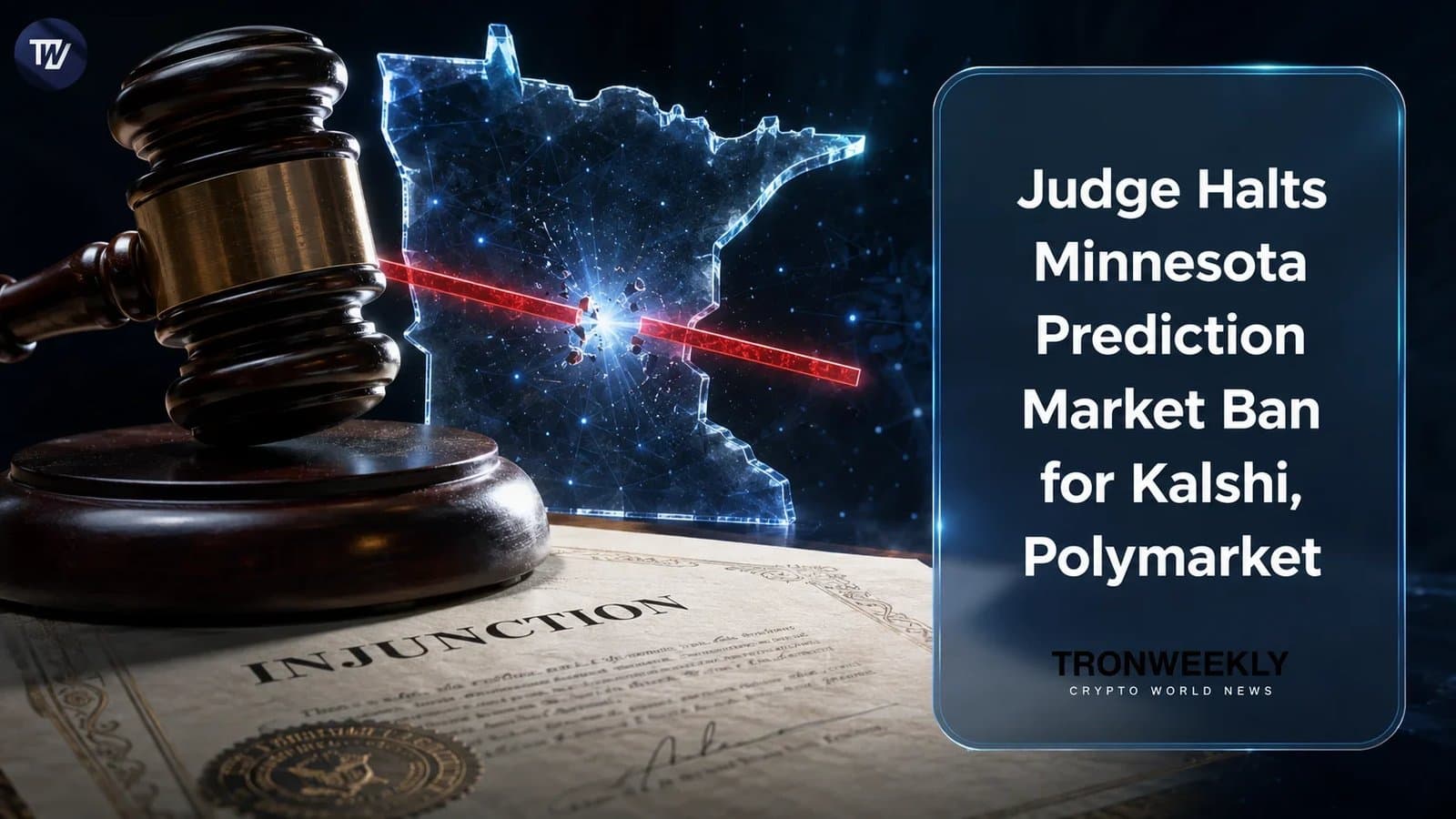
Just days before Minnesota’s ban on prediction markets was set to kick in, a federal judge stepped in and paused the law. The state wanted to outlaw platforms like Kalshi and Polymarket, which let people bet on things like elections and sports outcomes. But the judge ruled the federal Commodities law probably trumps the state ban, giving the federal regulators and these companies a temporary win.
U.S. District Judge Katherine Menendez issued the order on July 27, halting enforcement of the law that was supposed to take effect August 1. The ban would have made running or facilitating these prediction markets a crime. Minnesota’s legislature and Governor Walz pushed for it, concerned about the risks of betting on real-world events. But Kalshi, Polymarket US, and the Commodity Futures Trading Commission challenged the ban, arguing these markets are essentially swaps regulated at the federal level. The judge agreed there’s a strong chance they’re right.
The court explained that the Commodity Exchange Act gives the CFTC exclusive control over these kinds of contracts, meaning Minnesota can’t just impose its own rules here. The judge said letting the ban proceed could cause serious harm that couldn’t be undone later. This decision just keeps things as they are until the full trial plays out it doesn’t scrap the law for good. Minnesota’s attorney general wasted no time criticizing the ruling.
This isn’t the final word. The judge hasn’t yet tackled the bigger legal questions, including whether the state’s law violates the First Amendment or federal preemption in detail. Those issues will be hammered out in court later.
Prediction markets have grown more visible recently amid regulatory debates. This case puts a spotlight on the tug of war between state efforts to regulate emerging markets and federal oversight designed to maintain uniform standards. The ruling also reflects the Trump administration’s legacy in supporting broad CFTC authority, a win for crypto-friendly platforms like Kalshi and Polymarket.
This piece is informational and does not constitute financial advice.