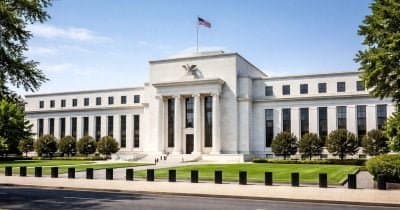
When the Federal Open Market Committee announced on July 29, 2026, that it would keep the federal funds rate between 3.50% and 3.75%, many expected a clear signal that the tightening cycle was over. Instead, the message was more cautious: the committee is prepared to raise rates again if inflation doesn’t come down as hoped. This subtle shift sent ripples through markets, reflecting growing concerns about persistent inflation despite steady borrowing costs.
Labor market data remains solid, and inflation pressures haven't eased as much as some had anticipated. The FOMC’s hawkish undertone suggests that the pause in rate hikes might be temporary. Market probabilities now show only about a one-third chance that the Fed will hold rates steady through the next few meetings, down from earlier expectations. Traders are recalibrating, factoring in a higher likelihood of rate increases before the year ends.
Investors will be watching closely for upcoming reports on consumer prices and employment, as these will offer clues on whether the Fed sticks to its current path or shifts gears. Comments from Fed Chair Kevin Warsh and other officials could further influence market expectations. The September meeting is shaping up to be a key moment.
Recent decisions like this echo broader trends in monetary policy, where controlling inflation remains the top priority even as growth concerns linger. For those tracking financial markets, understanding these subtle policy signals is key for navigating the coming months.
This content is for informational purposes only and does not constitute financial advice.