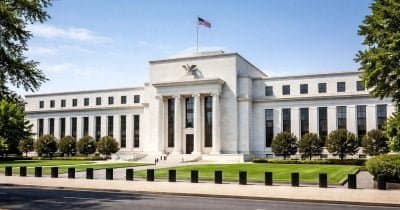
The Federal Reserve kept interest rates unchanged at 3.5% to 3.75% on July 29, but the vote wasn’t unanimous. Three regional Fed presidents Beth M. Hammack of Cleveland, Neel Kashkari of Minneapolis, and Lorie K. Logan of Dallas broke ranks, calling for a 25 basis point increase instead.
This rare hawkish dissent, the first since 2016, signals deep worry about persistent inflation that refuses to fall toward the Fed’s 2% target. Supply shocks, especially in energy linked to ongoing Middle East conflicts, are keeping price pressures elevated. These are pressures that monetary policy alone struggles to resolve.
What the dissent means for markets
With the new Fed Chair Kevin Warsh presiding, this split sets a clear tone. Wall Street dubbed the decision a "hawkish hold," meaning no rate hike now but no relief soon either. The current rate band is already historically restrictive, especially compared to near-zero levels just a few years ago. The three dissenters’ push for tighter policy suggests parts of the Fed see inflation risks as urgent and expect higher borrowing costs ahead.
Crypto markets reacted sharply to the news. Bitcoin and Ethereum, which have closely tracked Fed moves over the past year, now face added uncertainty. Inflation driven by supply disruptions complicates the Fed’s toolkit since rate hikes have limited impact on these external shocks. This dynamic may keep pressure on risk assets, including digital currencies, in the near term.
This content is for informational purposes only and should not be considered financial advice.