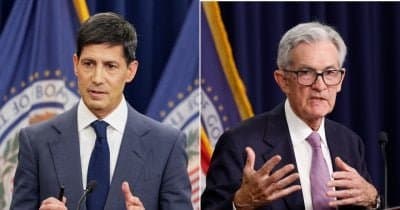
The Federal Reserve held interest rates steady at 3.50% 3.75%, but four members opposed the decision the most dissents in a single meeting since 1992. This surge in disagreement signals growing uncertainty within the Fed about its monetary policy path.
Three officials objected to language hinting at future rate cuts, while one pushed for an immediate 25 basis point reduction. Such division suggests the Fed’s consensus is fraying, complicating market predictions.
Market Impact and Historical Comparisons
Market participants have responded by lowering expectations for an October rate hike. The odds of a 25 basis point increase slipped to 22.5%, down from 24% the day before, while the probability of unchanged rates rose to 63.5%. This shift shows investors’ doubts about a tighter monetary stance in the near term.
The current dissent level harkens back to the 1960s and 1970s, periods marked by frequent Fed disagreements. Since then, internal dispute became rare, making this resurgence under Chairman Warsh particularly notable. It could indicate a more fragmented approach to tackling inflation and economic risks.
What’s Next for the Fed?
Attention now turns to upcoming inflation and employment data that will heavily influence the Fed’s October meeting. Whether the Committee can mend its divisions or deepen policy uncertainties remains open. Keeping an eye on official statements will be key as the market recalibrates around evolving Fed signals.
This material is for informational purposes only and does not constitute financial advice.