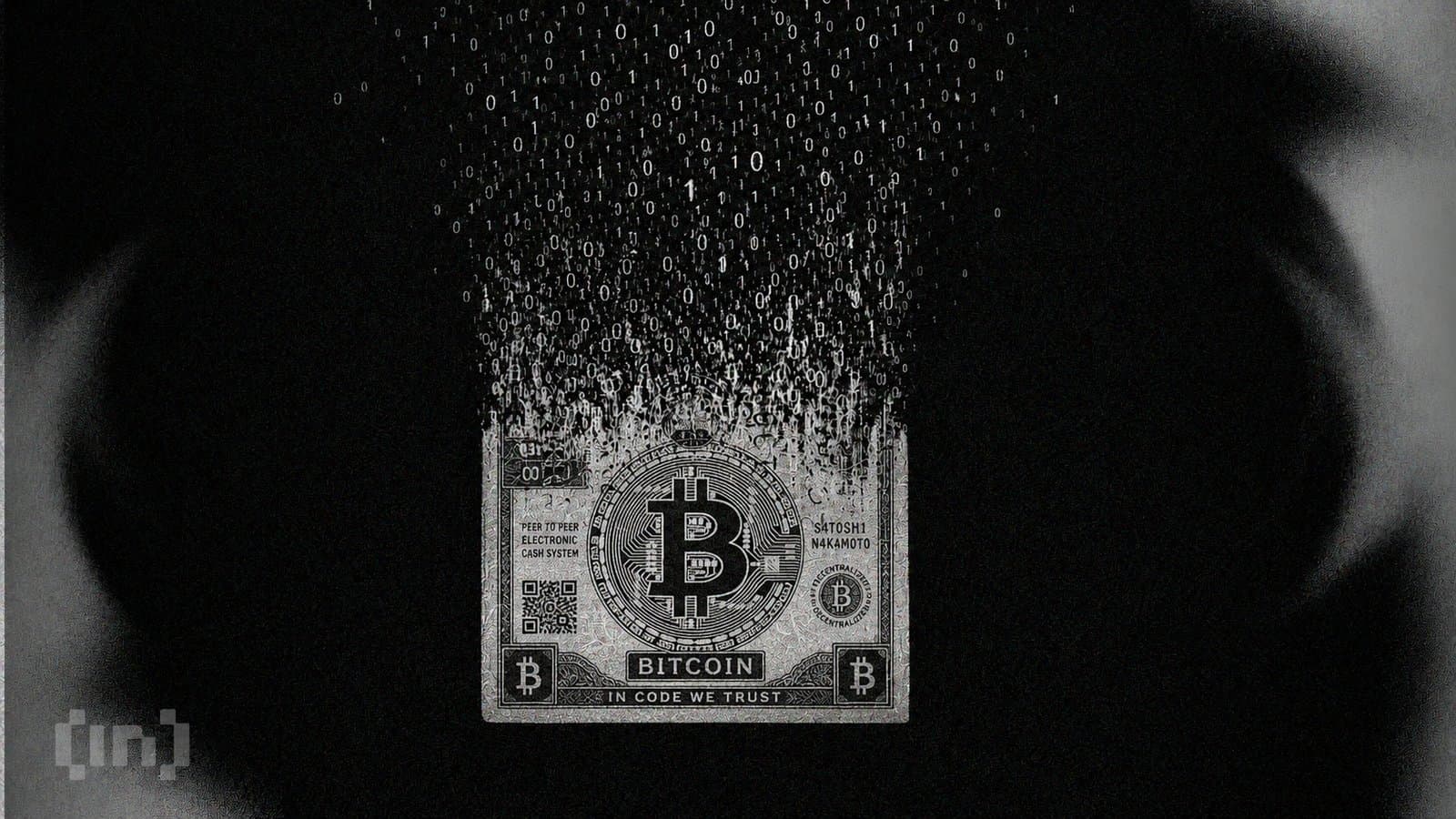
“Even a 2% chance of a quantum breakthrough by 2030 could wipe out most of crypto’s value,” said Stefano Gogioso, quantum computing lecturer at Oxford and co-founder of Spooqy. He emphasizes that the real question isn’t when quantum computers will break Bitcoin’s cryptography, but the potential loss and the urgency to act. The crypto industry risks treating this trillion-dollar threat like a distant problem, ignoring the steep cost of inaction today.
Gogioso’s warning came during a BeInCrypto Experts Council panel alongside Daniela Herrmann, CEO and co-founder of Dynex. Herrmann recounted how timelines for quantum computing’s arrival have rapidly shrunk from estimates of 30 years just last year to possibly under two years now reflecting the accelerated pace of innovation and shifting market realities. Her blunt advice: stop fixating on a specific year and start preparing for sudden breakthroughs that could catch the industry off guard. This sentiment challenges the common complacency prevalent in crypto circles despite increasing quantum threats.
The technical challenges behind quantum computing also suggest a nonlinear progression. Gogioso explained that moving from zero to one logical qubit is far harder than scaling from one to a million, meaning breakthroughs could snowball quickly. Supporting this, Google researcher Craig Gidney recently revised his own estimates down from needing 20 million qubits to fewer than one million to break RSA-2048 encryption. Even more alarming, a March 2026 joint study by Google Quantum AI, the Ethereum Foundation, and Stanford lowered the threshold for cracking Bitcoin’s key elliptic-curve cryptography to under 500,000 physical qubits roughly 20 times lower than previous projections.
With such rapid advances, the pressure mounts on crypto networks to implement quantum-resistant protocols before "Q-Day" arrives. These developments come at a time when Bitcoin’s price movements also depend heavily on external factors like Federal Reserve policies, as seen in recent market shifts. While the timeline remains uncertain, stakeholders would do well to treat quantum risks as an immediate insurance issue rather than a distant curiosity.