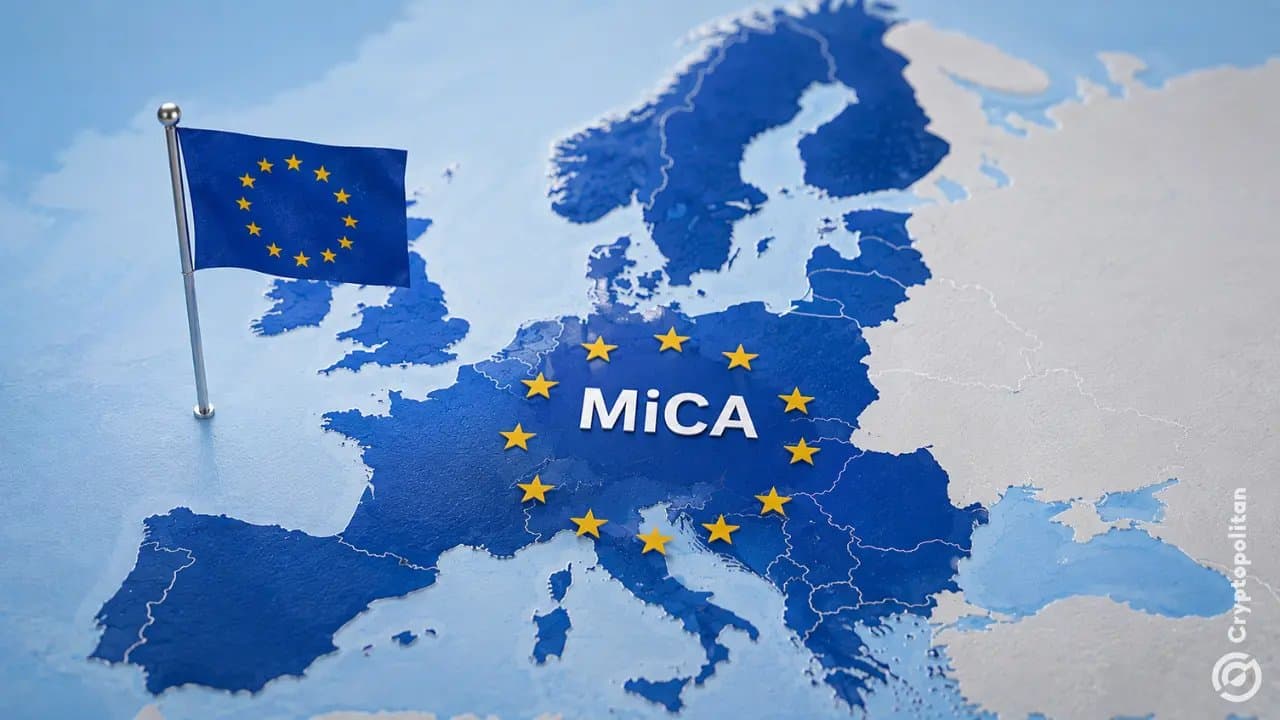
The European Union has rolled out its toughest crypto sanctions against Russia yet, targeting 14 foreign crypto platforms, 94 Russian banks, and the Moscow Exchange. For the first time, the EU can block foreign crypto services aiding Russia’s sanction evasion.
Anton Tkachev, a senior lawmaker in Russia, views these sanctions as just another hurdle that firms can navigate around. He cited the example of Garantex, seized by police in early 2025, which was swiftly relaunched as Grinex, and noted that clone platforms continue to emerge.
Though new users face stricter wallet monitoring and must prove funds’ origins, Tkachev calls it a minor operational obstacle, even suggesting it sharpens the skills of Russian crypto teams.
Nadezhda Surova, adviser on digital economy, shares this optimistic outlook, highlighting how the market has withstood over 20 previous sanction rounds. She predicts a shift towards decentralized platforms, peer-to-peer trading, and stablecoins, along with a geographic move to friendlier jurisdictions like Kyrgyzstan, which hosted 126 licensed crypto firms with $4.2 billion in volume by late 2024.
Dmitry Zuev, a crypto executive at NGE Farm, urges caution. He expects that cross-border transactions will bear the brunt of these measures. For regular Russian companies, he says, the new domestic crypto laws might have more impact than the EU sanctions.
On the other side, Maria Agranovskaya, a crypto lawyer, warns that this is a significant direct assault on Russian crypto operations. She calls the sanctions critical but not yet fatal, referencing last year’s penalty targeting a ruble-backed coin that barely scratched the surface.
Agranovskaya points out that platforms used by Russians in Kyrgyzstan, the UAE, and Georgia now face restrictions, driving crypto activity underground and isolating Russia from global markets. She cites former minister Andrey Nechayev’s view of a "closed crypto market inside the Russian Federation."
Evidence of this squeeze is clear: the ruble-backed coin A7A5 experienced a drop in daily transfers from over $1.5 billion to roughly $500 million post-sanctions, per Elliptic. Major platforms like Uniswap blocked it, leading to frozen accounts when funds were connected to the coin.
Alexey Zyuzin, head of a Russian crypto association, predicts a split market. One will be a domestic legal segment regulated by Russian authorities, the other a cross-border zone facing high sanctions and tech risks.