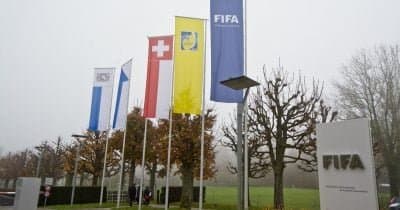
On July 29, the European Union stepped in to challenge FIFA’s ambitious plan to transform international football into a $20 billion investment opportunity. EU Sport Commissioner Glen Micallef raised red flags over the potential antitrust issues linked to FIFA’s proposal to sell minority stakes in a newly formed subsidiary.
FIFA aims to launch FIFA Forward Enterprise (FFE), targeting up to $4.2 billion from external investors, valuing the venture around $20 billion. The organization has engaged J.P. Morgan to facilitate the deal, with investment firm Thrive Eternal, led by Joshua Kushner, expected to lead the investor group. FIFA President Gianni Infantino promotes the plan as a way to spread football’s wealth globally, promising to increase contributions to its development fund from $8 million per cycle to between $20 million and $24 million.
European football powerhouse UEFA strongly opposes the move. They accuse FIFA of "selling the soul of football" and have called an emergency meeting of their 55 member associations to strategize a response. The most drastic option on the table is a boycott of future FIFA events, including the World Cup. UEFA’s underlying worry is the shift in power dynamics. By raising billions through equity sales, FIFA could reduce its reliance on Europe’s commercial muscle, empowering smaller federations from Africa, Asia, and the Caribbean who hold equal voting rights on FIFA’s board.
The regulatory twist
Micallef’s warning introduces a European regulatory hurdle FIFA hadn’t anticipated. EU competition law is known for its breadth, and the involvement of Brussels injects new complexity into an already tense situation. Should FIFA proceed without addressing these concerns, the plan might face legal challenges or delays that could reshape the governance and funding landscape of global football.
This material is for informational purposes only and does not constitute financial advice.