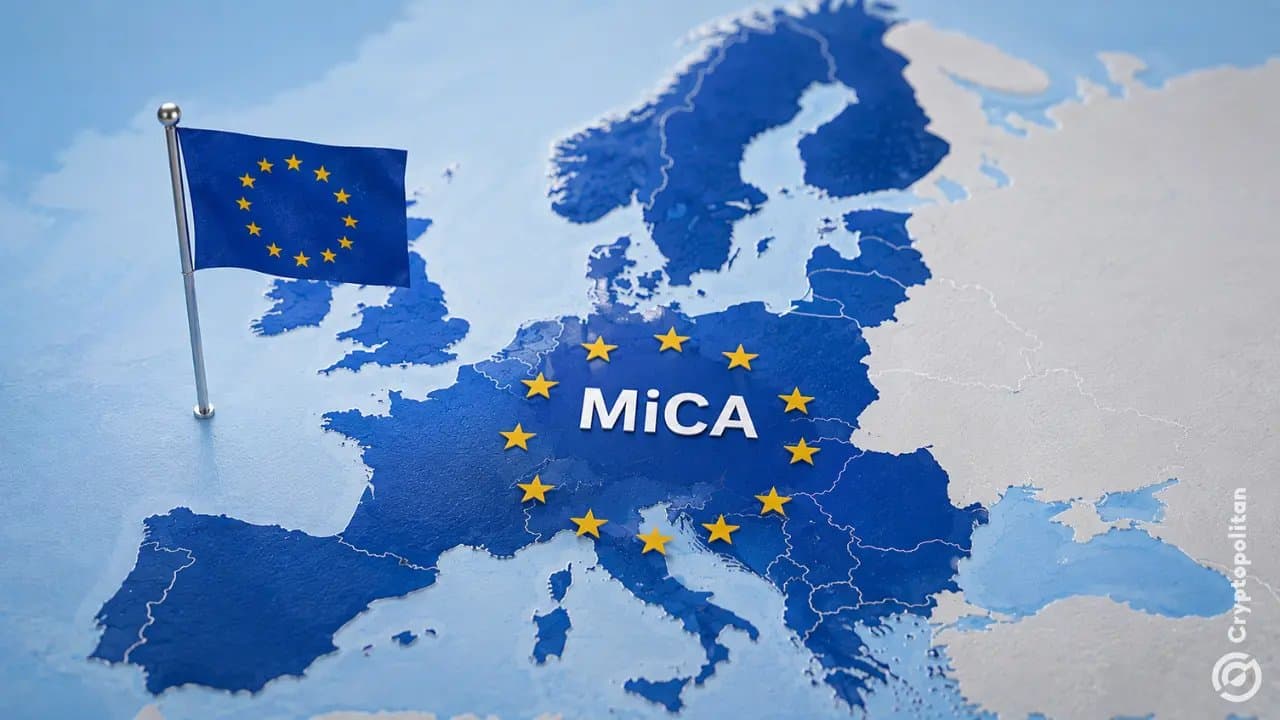
The European Union’s latest sanctions package, approved on July 23, targets 14 crypto platforms and 94 banks, marking the largest wave of new restrictions against Russia in four years.
Crypto Platforms and New Restrictions
This sanctions round includes 218 individual listings: 48 people and 170 entities across sectors like finance, energy, and military supply. Among these are 14 crypto service providers based outside Russia in countries such as Georgia, Panama, the UAE, and Belarus accused of enabling Russian-linked transactions to bypass existing financial restrictions. EU-based operators are now barred from transacting with these platforms. The Council clarified that the focus is on foreign crypto entities facilitating sanctions evasion rather than Russian companies themselves.
Newly introduced powers allow the EU to ban crypto-asset services from entire jurisdictions if those countries host providers aiding Russia in circumventing sanctions. This could significantly tighten control over cross-border crypto flows linked to Russia. also four entities tied to the A7 cross-border payment network, including those active in Africa, were designated for facilitating access to global financial systems despite sanctions.
Banks, Shadow Fleet, and Energy Measures
The sanctions freeze assets and prohibit transactions with 94 banks and financial institutions, expanding the list by 32 Russian banks and 33 additional credit organizations. Restrictions now also apply to four non-Russian banks: a Kyrgyz bank connected to Russia’s financial messaging system and three others that helped evade EU sanctions.
Energy-related measures include adding 41 vessels to the shadow-fleet list, which tracks ships involved in surreptitious oil shipments, and freezing adjustments to Russia’s oil price cap until mid-2027. This move aims to restrict Russia’s energy revenues further, cutting off key financial channels that sustain its war efforts.
EU leaders stressed that these sanctions come at a key time as Ukraine advances on the battlefield. The package shows the growing use of crypto and cross-border payments in evading financial controls, prompting the EU to develop stronger tools against such tactics.
This material is informational and does not constitute financial advice.