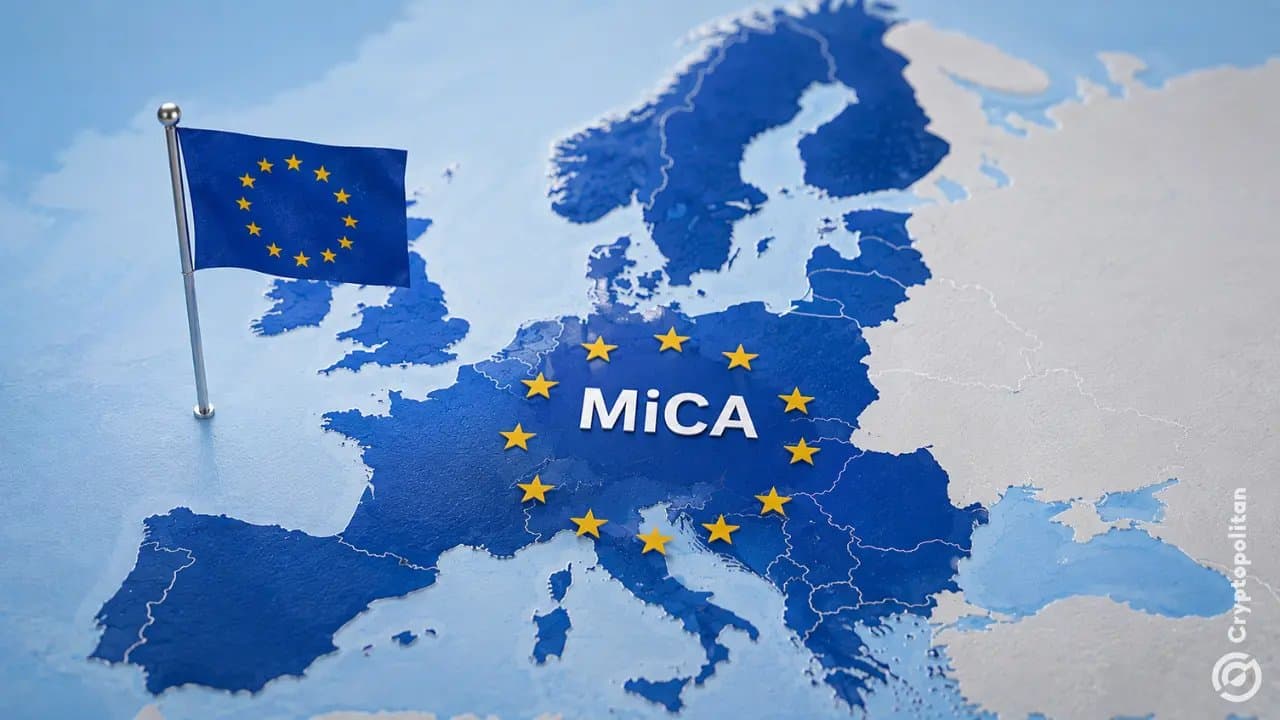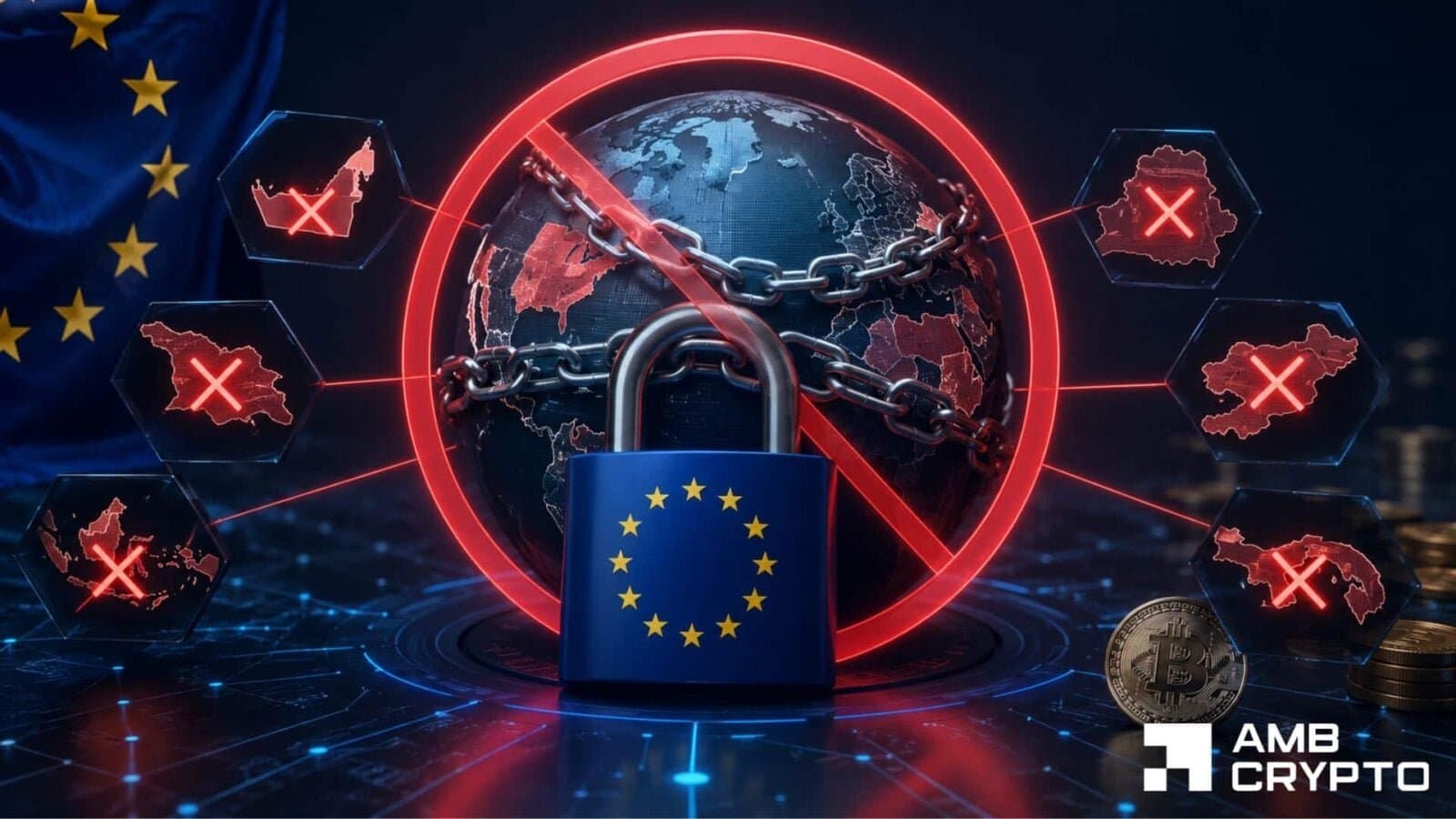
The European Union has broadened its sanctions against Russia by banning HTX, owned by Justin Sun, along with 13 other cryptocurrency platforms located across various countries including the UAE, Panama, Georgia, the Marshall Islands, Kyrgyzstan, and Belarus. This decisive move prevents EU individuals and companies from engaging in transactions with these platforms, cutting off channels that have been used to bypass existing sanctions.
According to the EU Council, the platforms on the list have been instrumental in facilitating fund transfers for blocked Russian entities, effectively enabling sanctions evasion. The inclusion of HTX is particularly significant, as it was earlier blacklisted by the UK in May. Afterward, HTX reportedly moved its crypto reserves to unknown third parties and frequently switched its hot wallets, complicating EU sanction enforcement efforts.
The impact of the EU crackdown on crypto sanction evasion
Following Russia’s exclusion from SWIFT, the country turned to cryptocurrencies to maintain oil exports and other international trade. It rapidly upgraded its crypto regulations to support this shift. This pattern mirrors actions taken by other sanctioned nations like Venezuela and Iran, which have also used crypto to sidestep Western sanctions.
The EU’s new authority to impose bans on entire foreign platforms or countries hosting them marks a turning point in sanction enforcement through crypto channels. Chainalysis remarked that platforms that fail to block sanctioned users now become targets themselves, while whole jurisdictions could be severed from European markets if they facilitate evasion.
This approach is the EU’s most potent tool yet to address crypto-enabled sanctions evasion, sending a clear warning to countries that harbor such platforms. The United States has taken similar steps, freezing over $1 billion in crypto linked to Iran and sanctioning local crypto firms and their executives.
As a result, crypto is shedding its image as a loophole for sanctioned parties and increasingly becoming a key point for enforcing global sanctions. This expanded EU ban reflects a shift towards more aggressive regulatory enforcement in the crypto sector.
This material is informational and does not constitute financial advice.