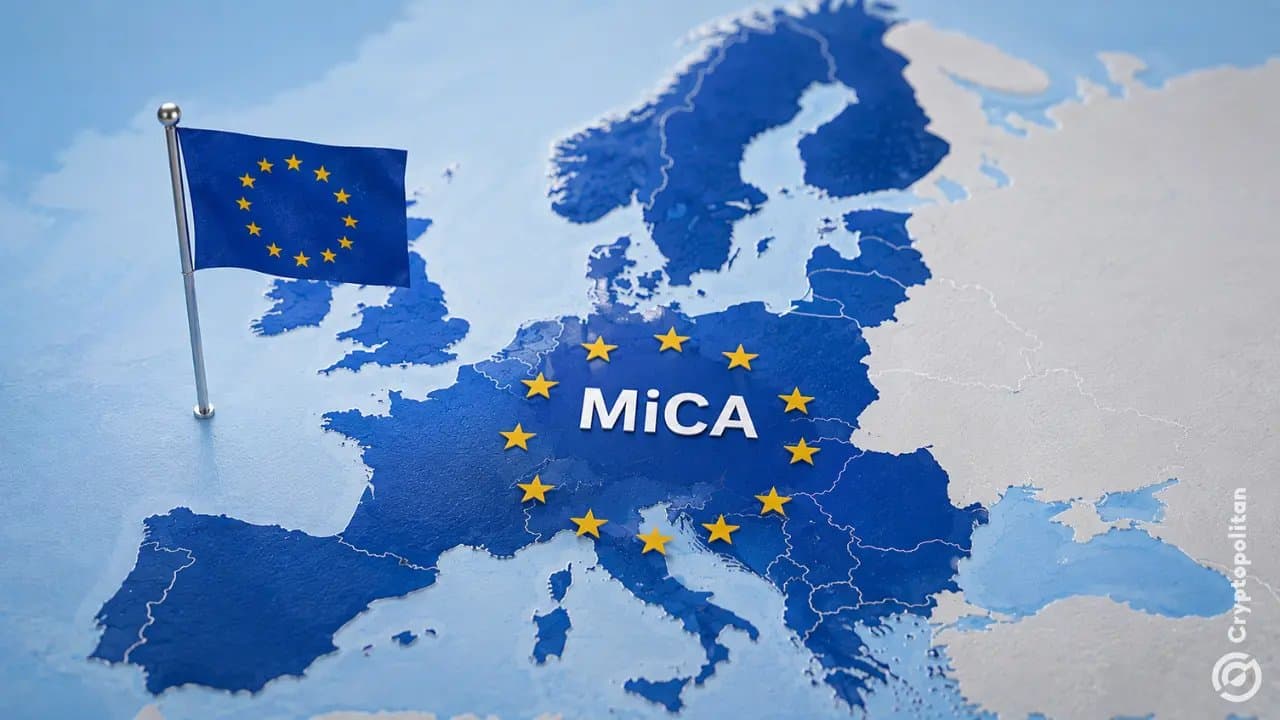
On July 23, the European Union unveiled its 21st sanctions package targeting Russia, which now includes 14 cryptocurrency service platforms and 94 banks and financial institutions. These measures mark the EU’s largest round of sanctions in four years, encompassing a broad range of sectors including finance, energy, and military suppliers.
The EU Council highlighted that the sanctioned crypto platforms operate from countries such as Georgia, Panama, the UAE, the Marshall Islands, Kyrgyzstan, and Belarus. These services reportedly assist Russia in evading existing financial restrictions. The package also covers 41 shadow-fleet vessels, oil refineries, and entities tied to Russia’s military-industrial complex, including manufacturers of long-range drones.
Extending Sanctions Beyond Russia
Beyond Russian entities, the sanctions also target four non-Russian banks, including a Kyrgyz bank linked to Russia’s SPFS payment system, and three others accused of facilitating sanction evasion. EU operators are now prohibited from transacting with the 14 crypto platforms, even those based outside Russia but connected to Russian-related transfers.
The Council introduced a new tool allowing the EU to block crypto-asset services linked to an entire foreign jurisdiction if they help Russia skirt sanctions. This could affect future providers in countries hosting such platforms.
Financial restrictions include asset freezes and bans on making funds available to the listed banks. also transactions with 33 more Russian financial organizations are banned, further tightening the EU’s grip on Russia’s access to international financial markets.