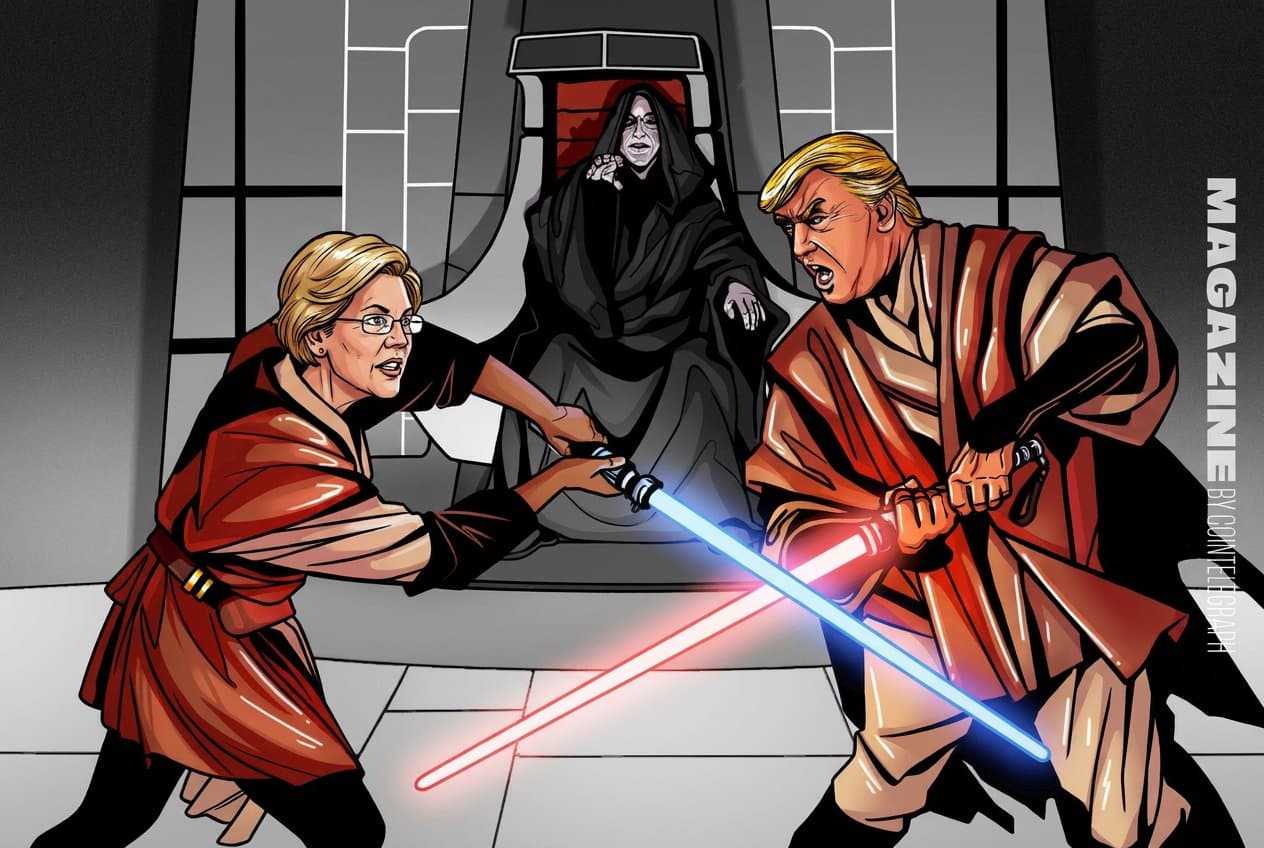
Congress is stuck on who gets to police crypto conflicts of interest, and that single dispute is threatening to derail the CLARITY Act before it gains any real momentum. Both Republicans and Democrats say they want a federal framework for US crypto market structure. The sticking point is not the technical definitions of a digital asset or which regulator oversees what. It is a fight over ethics provisions and, critically, which body has the authority to enforce them.
The core tension is familiar in Washington: one side wants tighter restrictions on lawmakers and their families trading or holding crypto while legislating on it, and the other resists language that would go further than existing financial disclosure rules. Neither camp is willing to hand enforcement powers to an institution the other does not trust. That deadlock is proving harder to break than the policy disagreements about commodity versus security classifications that dominated earlier drafts.
Why the ethics piece matters so much here
Crypto is different from, say, pharmaceutical regulation, because sitting members of Congress and their spouses can legally hold significant token positions while writing the rules that govern those same assets. Critics point out that without clear ethics guardrails baked into the legislation itself, the CLARITY Act could end up shaped by people with direct financial stakes in the outcome. Supporters of lighter-touch rules counter that existing disclosure requirements are sufficient and that adding new enforcement mechanisms opens a political can of worms that could sink the bill entirely.
The debate is not happening in a vacuum. Crypto PACs went 48-for-48 in the 2024 election cycle, which means the industry now has significant use on both sides of the aisle. That influence is precisely what makes the ethics question so charged: the same money that helped elect these legislators is waiting for the legislation they write.
Negotiators have reportedly been unable to agree even on a framework for how violations would be investigated or sanctioned. Without that, the ethics section of the bill stays blank, and a blank ethics section is a political liability neither party wants to own heading into the next news cycle.
Crypto markets took the gridlock in stride on Monday, with Bitcoin trading within a tight range and showing no reaction to the latest round of stalled negotiations.
This article is for informational purposes only and does not constitute financial advice or an investment recommendation.