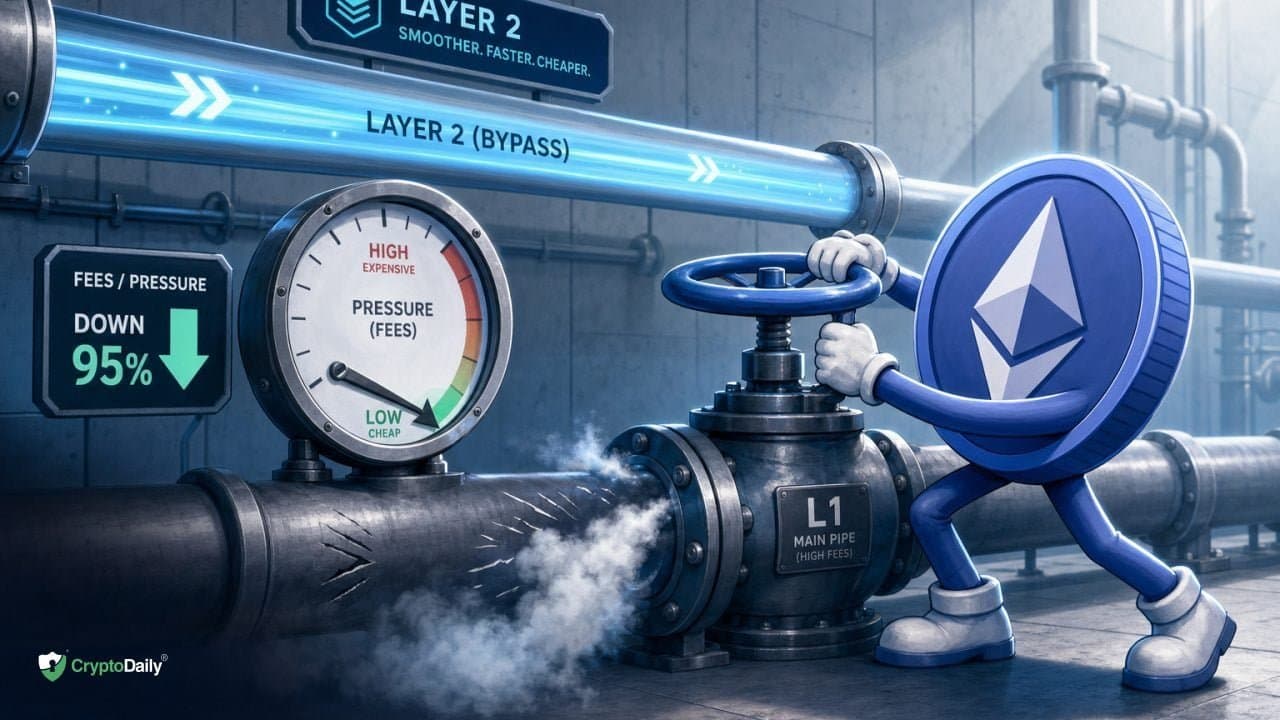
Ethereum Layer 2 fees dropped sharply, declining between 90 and 95 percent. The biggest driver was the March 2024 Dencun upgrade, which introduced EIP-4844. This feature added a new, cheaper form of data storage called "blob space" that dramatically reduces costs for rollups compared to using legacy calldata.
Before EIP-4844, rollups packed their data into Ethereum’s calldata, competing with other network activities for gas and driving up prices. With the new blob system, rollups have a dedicated and cheaper market for their data, cutting a substantial expense and lowering the base fee for transactions.
Rollups now batch more transactions and compress data more efficiently, which spreads costs across users more effectively. Consequently, fees have fallen drastically during most periods, though spikes can still occur during congestion or for complex swaps. The competition among sequencers and improved wallet interfaces also contribute to the fee reduction, making Layer 2 transactions often a matter of pennies or less.
This innovation reduces pressure on Layer 2 networks during periods of high demand, as they no longer compete as directly with Layer 1 DeFi operations for gas. Users benefit from consistently lower fees without needing to alter their behavior the improvements happen behind the scenes.
The technical documentation from the Ethereum Foundation details how EIP-4844 blob pricing works and why this change is such a big deal for Layer 2 scaling.