“I want to help Schalke succeed in the Bundesliga,” said Edin Dzeko after signing a one-year extension with the German club, securing his stay until June 2027. At 40, the Bosnian striker’s continued presence is a clear statement about the club’s reliance on experienced players rather than flashy new sponsorship deals in a shifting football economy.
Dzeko joined Schalke in January 2026 on a short-term deal following his departure from AS Roma and quickly made an impact, scoring six goals in 11 games. His contract talks stretched over several months, with the club keen to keep him onboard for their return to Germany’s top division. The final decision came after he completed international duties with Bosnia-Herzegovina, reflecting his commitment to both club and country.
While Schalke once engaged with NFT ventures and digital partnerships during the crypto boom, Dzeko’s contract extension is purely traditional in its structure and financing. The absence of crypto sponsors in this deal highlights a broader trend: since the 2022 crypto market crash, major crypto brands like FTX and Crypto.com have pulled back or ended their high-profile partnerships in European sports. Fan token platforms have also seen their trading volumes collapse, signaling a waning interest from both investors and fans.
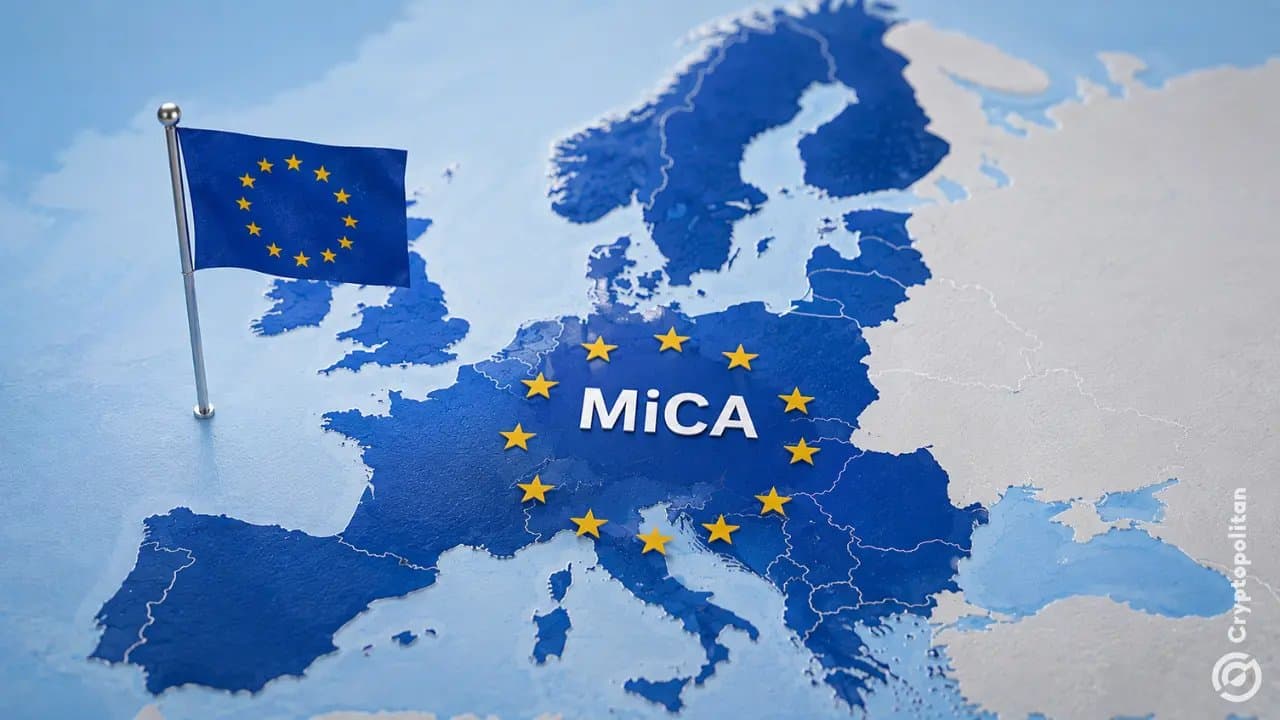
Regulatory hurdles are adding to this retreat. The EU’s Markets in Crypto-Assets regulation has tightened rules, limiting how crypto exchanges and token projects can advertise on football kits without strict compliance. This regulatory pressure, combined with market realities, has pushed football clubs towards more conventional sponsorship models. Schalke’s move to extend Dzeko’s contract without crypto involvement shows the changing landscape where stability and proven value are favored over speculative digital deals.