CZ Failed to Secure His WhatsApp Handle — Highlighting a Major Impersonation Threat
Binance's former CEO CZ failed to claim his preferred WhatsApp username during the platform's new handle rollout, spotlighting a serious impersonation risk for high-profile figures and everyday users alike.
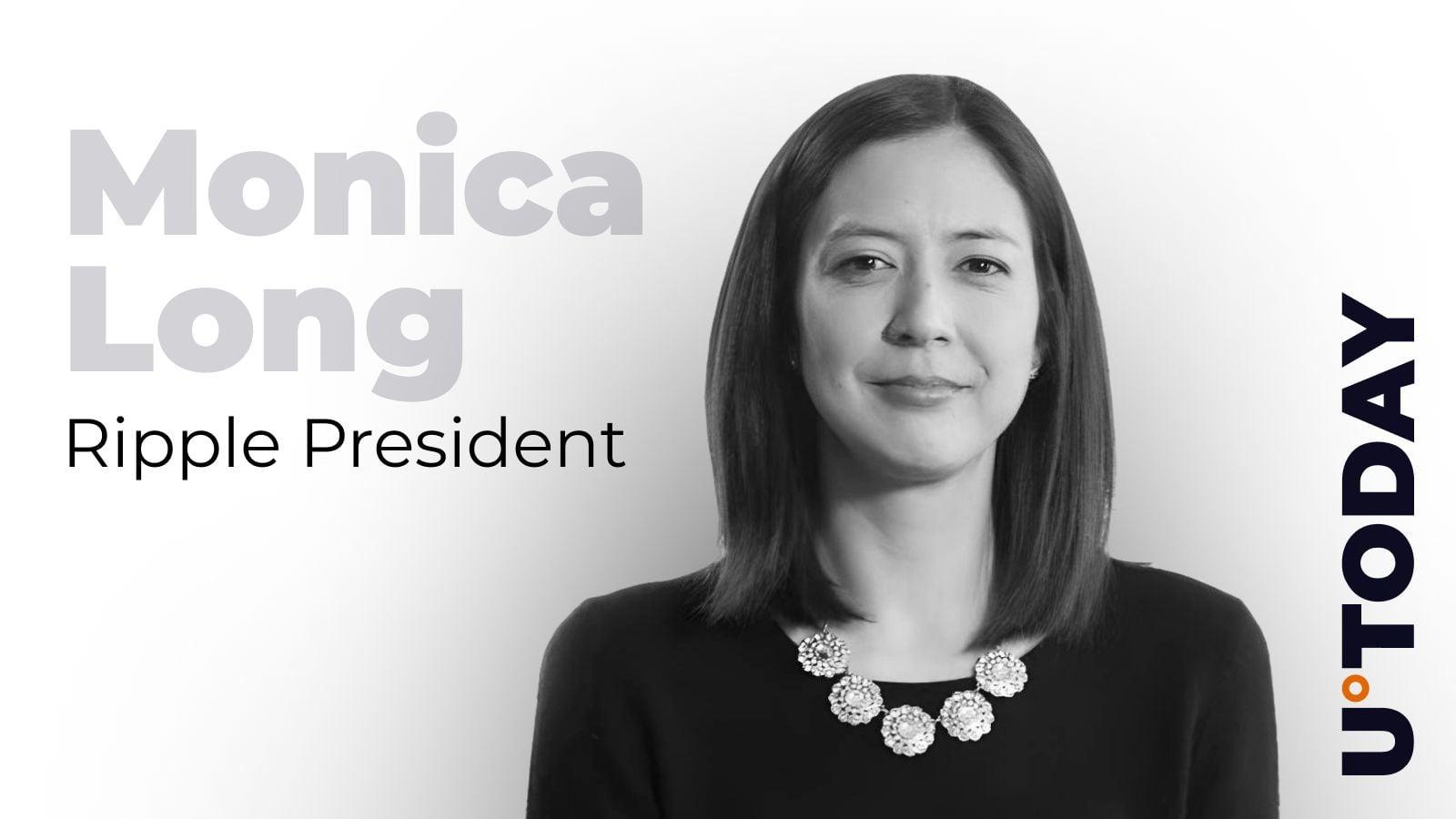
Binance's former CEO Changpeng Zhao, widely known as CZ, publicly revealed this week that he was unable to reserve his preferred username during WhatsApp's ongoing global rollout of its new custom handle system. The incident, while seemingly minor, has drawn attention to a serious and growing security threat — one that could affect millions of users as the messaging platform transitions away from phone numbers as its primary identifier.
WhatsApp began rolling out custom usernames this week, marking a significant shift in how people connect on the platform. Rather than sharing phone numbers, users will now be able to communicate through unique handles. The company has confirmed that creators, small businesses, and organizations are eligible to claim usernames that match their existing Instagram or Facebook profiles, giving established brands an early advantage.
However, the rollout operates on a first-come, first-served basis. That means any username not immediately claimed by its rightful owner is up for grabs — and bad actors are well aware of this. CZ himself acknowledged the risk in a post on X (formerly Twitter), writing: "Tried, couldn't reserve that name. So, definitely not me." The comment underscores just how easy it could be for a scammer to register a handle that mimics a well-known figure in the crypto industry.
The threat doesn't stop at stolen usernames. Security researchers have flagged another manipulation tactic: lookalike characters. By swapping a capital "I" for a lowercase "l," or using other visually similar letters, fraudsters can create handles that are nearly indistinguishable from legitimate ones at a glance. Without carefully comparing two usernames side by side, even experienced users could be deceived.
To counter abuse, WhatsApp has announced plans to rate-limit new contact requests and block repeated attempts to guess a username's optional security key. These measures appear designed to address the same types of exploitation that have plagued Telegram for years. Meta has also introduced an optional username key — a four-digit code that must be entered before a stranger can send a message — though this feature is disabled by default, meaning most users will remain unprotected unless they manually activate it.
Meanwhile, a speculative market for premium usernames is already forming. On Telegram, early adopters have earned enormous sums from sought-after handles. Telegram founder Pavel Durov noted in July 2025 that the handle "@crypto" received a $25 million offer, while "@news" reportedly sold for $5.8 million in the same year. Some users are now attempting to replicate this strategy on WhatsApp, reserving handles tied to celebrities, brands, and crypto terminology in hopes of future resale profits.
Unlike Telegram, which operates the Fragment marketplace for tokenized username trading, Meta has not announced any equivalent platform. This absence could significantly limit the resale value of WhatsApp handles — or simply push transactions into unregulated, informal channels.
The broader implications of CZ's experience are hard to ignore. Impersonation-based scams have already resulted in criminal prosecutions, with at least one staking fraud case leading to a conviction in recent months. Regulators appear to be paying closer attention to this category of fraud, particularly as it intersects with the crypto space.
Security experts advise users to take several immediate steps: enable the username key in WhatsApp settings, scrutinize any unfamiliar handles for lookalike characters, and always verify high-profile contacts through their official, publicly confirmed accounts before responding to any messages.
WhatsApp's full username rollout is expected to continue over the coming weeks, giving Meta a narrow window to strengthen its safeguards. With over three billion active users on the platform, and crypto-related hacking losses continuing to climb through mid-2026, the stakes for getting this right could not be higher.