MiCA Regulation Now Fully Active in Europe: Winners and Losers Revealed
Europe's MiCA crypto regulation is now fully in force following the July 1 deadline, reshaping the landscape for users, businesses, and the broader market. Here's a breakdown of who benefits and who faces challenges under the new framework.
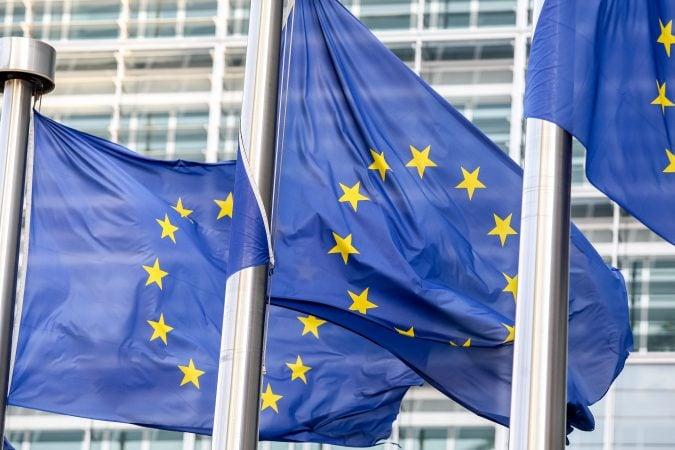
The European Union's comprehensive cryptocurrency regulatory framework, known as the Markets in Crypto-Assets Regulation (MiCA), has officially entered its final and complete enforcement phase. With the July 1 deadline now behind us, the crypto industry across Europe is facing a fundamentally transformed operating landscape — one that brings clarity for some and serious challenges for others.
MiCA represents years of legislative work aimed at bringing order to a previously fragmented and largely unregulated digital asset market. The regulation establishes unified rules across all EU member states, covering everything from stablecoin issuance to the licensing requirements for crypto service providers. Its full implementation marks a historic turning point for the European crypto sector.
**Who Stands to Gain**
Large, well-capitalized cryptocurrency exchanges and service providers are among the clearest winners under the new regime. Companies that invested early in compliance infrastructure, legal teams, and regulatory licensing are now positioned to operate with confidence across all 27 EU member states under a single authorization. This so-called "passporting" benefit eliminates the need to navigate country-by-country regulatory approval processes, dramatically reducing operational costs and time to market.
Institutional investors also stand to benefit significantly. With clearer legal definitions, consumer protection requirements, and mandatory disclosures, MiCA creates the kind of regulated environment that traditional financial institutions have long demanded before committing serious capital to digital assets. The regulation could unlock substantial institutional money that has been sitting on the sidelines.
European retail users gain meaningful protections as well. Crypto asset service providers are now required to meet strict transparency standards, maintain adequate reserves, and follow rules designed to protect customer funds — a stark contrast to the anything-goes environment that characterized much of the industry's earlier years.
**Who Faces the Pressure**
Smaller startups and early-stage crypto projects face the steepest climb. Compliance with MiCA requires significant legal and administrative resources that many smaller players simply cannot afford. Some companies have already begun relocating operations outside the EU or halting services for European customers entirely.
Decentralized finance (DeFi) protocols exist in a particularly uncertain gray zone. Much of MiCA's framework targets centralized service providers, leaving truly decentralized platforms in an ambiguous regulatory space that may invite future scrutiny or targeted legislation.
Stablecoin issuers not domiciled within the EU face restrictions on how widely their tokens can be used within European markets, potentially limiting the reach of major dollar-pegged stablecoins and reshaping the competitive dynamics of that segment.
**The Broader Market Impact**
Analysts are divided on MiCA's net effect on cryptocurrency markets. Optimists argue the framework will drive institutional adoption, increase consumer trust, and position Europe as a global leader in responsible crypto governance. Skeptics warn that overregulation could stifle innovation and push talent and capital toward less regulated jurisdictions such as Dubai, Singapore, or the United States.
One thing is certain: the era of operating in a regulatory vacuum within Europe is over. How the market ultimately adapts to this new reality will become clearer in the months and years ahead.