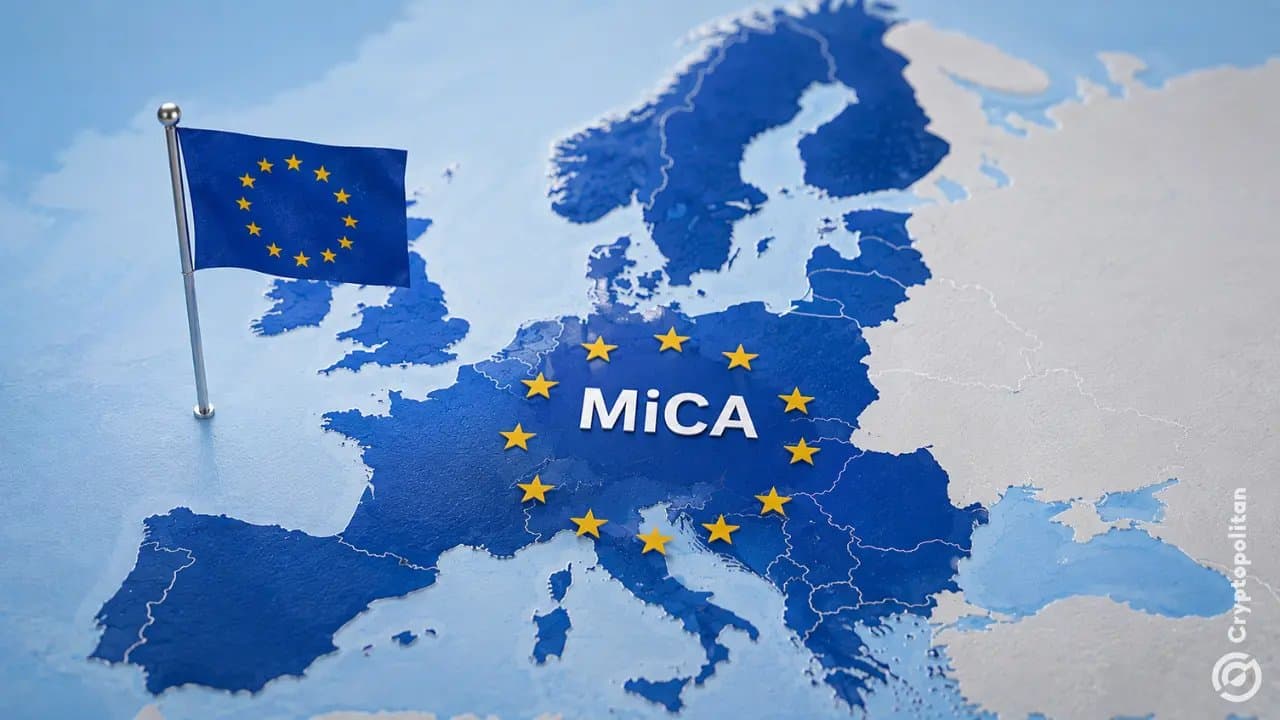
Only three out of the top 50 stablecoins by market cap meet the EU's stringent MiCA regulations, and Circle controls two of them: USDC and EURC. This puts the company in a prime position within Europe’s crypto landscape.
MiCA compliance isn’t just a label. It demands stablecoin issuers maintain full reserve backing, publish transparent white papers, and accept continuous regulatory supervision. Circle first secured its MiCA license in July 2024, becoming the pioneer global stablecoin issuer to obtain a French e-money license from the ACPR. This not only covers USDC but also EURC, its euro-pegged stablecoin, across the entire European Economic Area.
The third MiCA-authorized stablecoin in the top 50 is USDG, launched by Paxos after receiving approval from Finland’s FIN-FSA in November 2024. This restricted club underlines the challenge for stablecoin issuers to meet Europe’s tough standards, leaving most of the biggest players, including Tether’s USDT, outside the compliant zone for now.
MiCA Compliance Shapes Market Dynamics
For banks, asset managers, and payment processors in Europe, the MiCA badge acts as a gatekeeper. Only USDC, EURC, and USDG qualify for integration under these regulations, giving Circle and Paxos a significant edge. Circle updates its reserve attestations monthly and aligned relevant documents with the EU's final technical standards as recently as December 2025.
In a market where fewer than 15 stablecoins hold active MiCA authorization Circle's position is formidable. The company’s early move into compliance creates what feels like a regulatory moat, potentially restricting competition as Europe’s stablecoin ecosystem matures.
With USDC and EURC’s combined market presence and regulatory approval, Circle controls a major slice of the European stablecoin sector. The question remains if giants like Tether will step up to meet MiCA’s criteria or lose ground in this key market.
This content is for informational purposes and does not constitute financial advice.