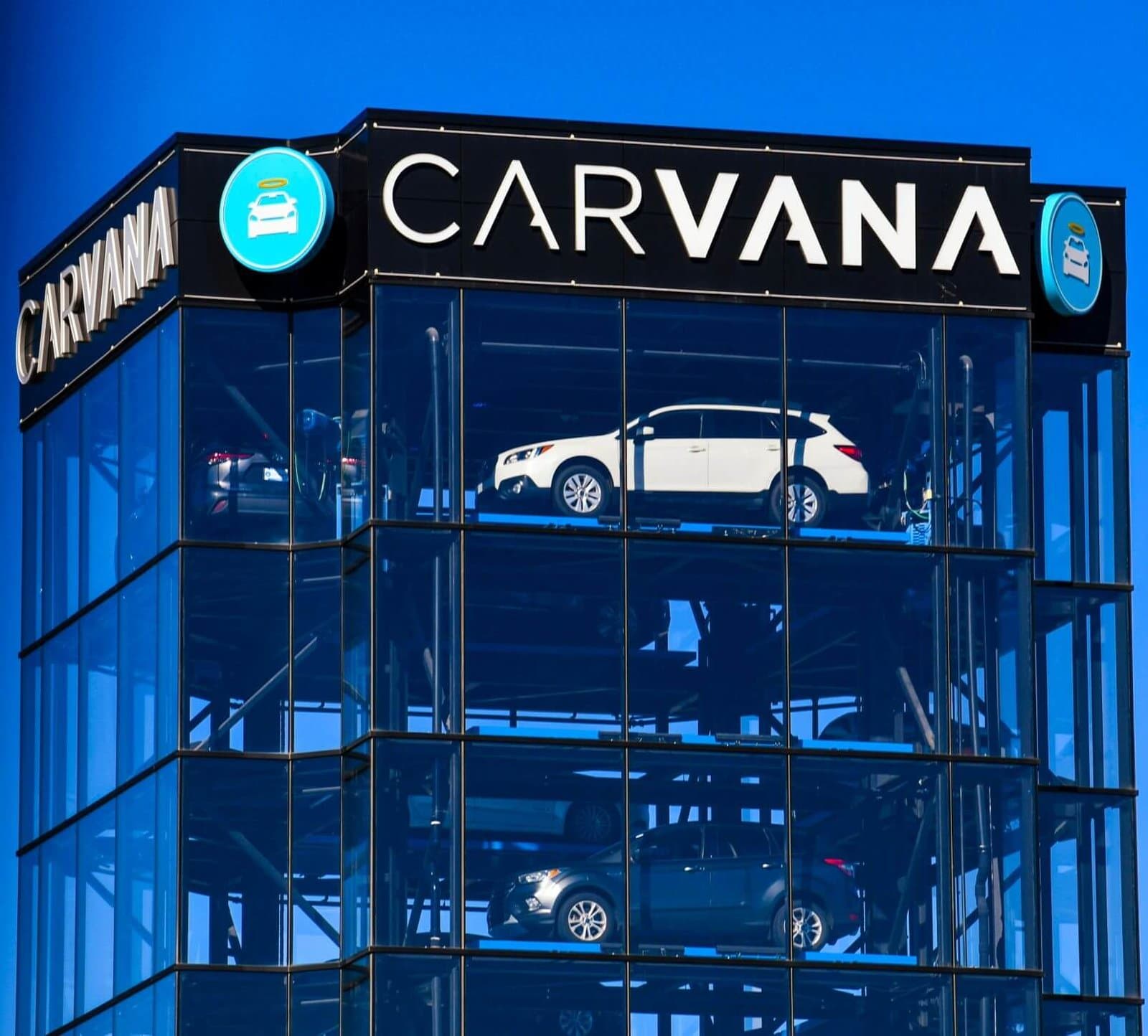
Carvana surprised with a 52% revenue jump in the second quarter, hitting $7.38 billion and beating Wall Street’s $6.86 billion target by a solid 7.5%. Vehicle sales surged 38% to nearly 200,000 units, showcasing strong consumer appetite for the online used-car platform even as the company cautioned about slower profit gains in the second half of 2026.
Net income climbed 69% year-over-year to $310 million, pushing diluted earnings per share to $0.42 from $0.26. Adjusted EBITDA rose 28% to $769 million, but the growth in profits lagged behind the revenue spike, highlighting ongoing margin pressures. Carvana’s adjusted EBITDA margin slipped to 10.4% from 12.4% last year, and gross profit per vehicle also weakened, signaling that rising costs and competitive pressures may limit profitability despite expanding scale.
The stock initially dipped after hours but recovered as investors digested the mixed signals. The data confirmed that Carvana’s business model continues to scale quickly, boosting sales and revenue at an impressive clip. However, the challenge moving forward will be maintaining profitability as cost use becomes tougher amid a highly competitive landscape. This dynamic echoes challenges seen across tech-enabled marketplace companies striving for sustainable margin growth even while expanding rapidly.