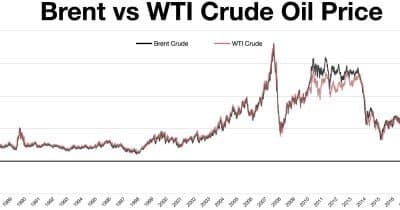
Brent crude oil prices plunged dramatically, dropping about 11% to around $85.87 per barrel following an unexpected declaration from Washington. President Trump announced the US halted military strikes on Iran at Tehran’s request, effectively bringing a sudden ceasefire to a volatile situation that had kept oil prices elevated for weeks.
How the ceasefire shifted markets
The tensions between the US and Iran had escalated repeatedly since May 2026. Each flare-up sparked fears of supply shocks, especially given the strategic importance of the Strait of Hormuz, which channels about 20% of the world’s daily oil. Any conflict there sends jitters through energy markets.
The ceasefire came as a surprise: Iran itself reportedly requested the pause in hostilities, and the deal could last 60 days. This provided enough confidence for traders to unwind the geopolitical risk premium that had been pushing Brent prices higher. The drop erased weeks of gains that emerged from fears over disrupted supply.
The ripple effect reached beyond oil. Bitcoin, which had zoomed towards $72,000 back in April when earlier ceasefire hopes emerged, held steady near $65,000 during this renewed pause. This stability reflects Bitcoin’s recent role: it moves in tandem with broader risk appetites rather than serving as a pure safe haven.
The US also ramped up sanctions targeting Iranian-linked crypto wallets in July, freezing $131 million in Tether’s USDT stablecoins connected to Iranian entities. Now, geopolitics and crypto markets intersect tightly, with regulatory actions directly impacting digital asset liquidity.
This intertwining means cryptocurrency investors should watch geopolitical developments closely. Prolonged or intensified sanctions on crypto wallets linked to Iran could disrupt Tether liquidity, especially where USDT acts as a dollar stand-in.
Meanwhile, the lower oil price relieves some inflation pressure. With Brent now in the mid-$80 range, the Federal Reserve might take a less aggressive stance on interest rates. However, the ceasefire’s 60-day term is short, and unresolved disputes between the US and Iran could reignite tensions, keeping markets cautious.
This article offers information only, not financial advice.