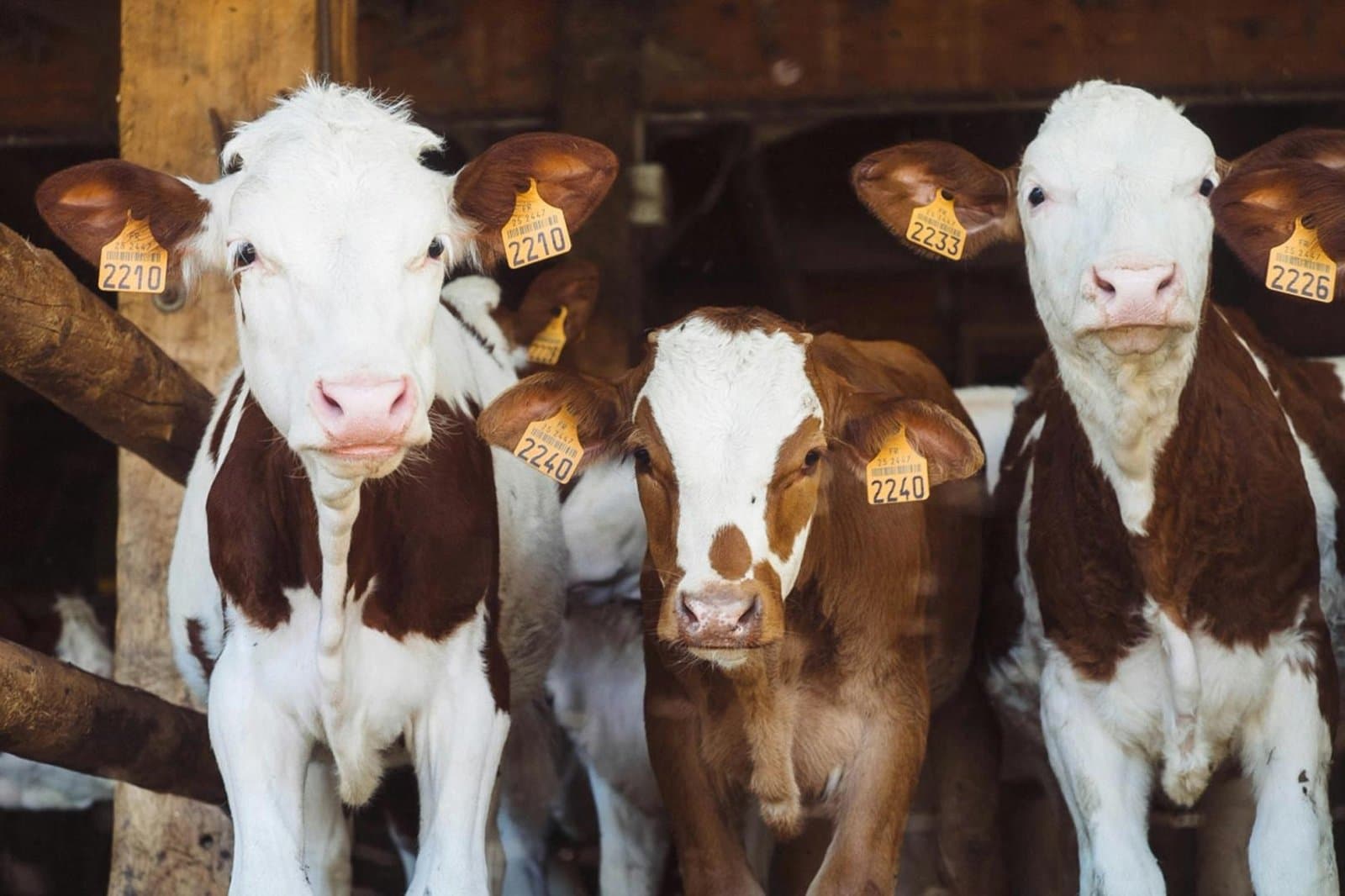
Farmers in Paraná, Brazil, have managed to raise nearly $20,000 in credit by tokenizing 10 dairy cows on the B3 stock exchange. This move comes as local banks tighten lending rules for small agricultural businesses, making traditional financing harder to obtain.
How Tokenizing Livestock Works
The agricultural technology company Cowmed leads this initiative by turning real cows into digital assets. Each cow is fitted with an AI-powered Smarty Collar that monitors health, location, and behavior continuously. This data forms an encrypted digital identity for every animal, preventing issues like the same cow being used as collateral for multiple loans.
This tokenization process allows cows to be registered formally on B3 as movable assets. Farmers can then use these tokens as collateral to secure loans without physical inspections, which often slow down or complicate the credit approval process.
Implications for Agricultural Financing
Cowmed already tracks around 100,000 cows valued at more than $395 million, and the company expects roughly 20% of its network to adopt this method. If successful, it could unlock as much as $77.6 million in new agricultural credit. For farmers facing steep credit restrictions, this approach offers a practical alternative by converting livestock into liquid assets on the blockchain.
By embracing real-world asset tokenization, Brazilian farmers are pioneering new ways to bypass traditional barriers in agricultural finance. This strategy may set a precedent for other regions facing similar challenges.