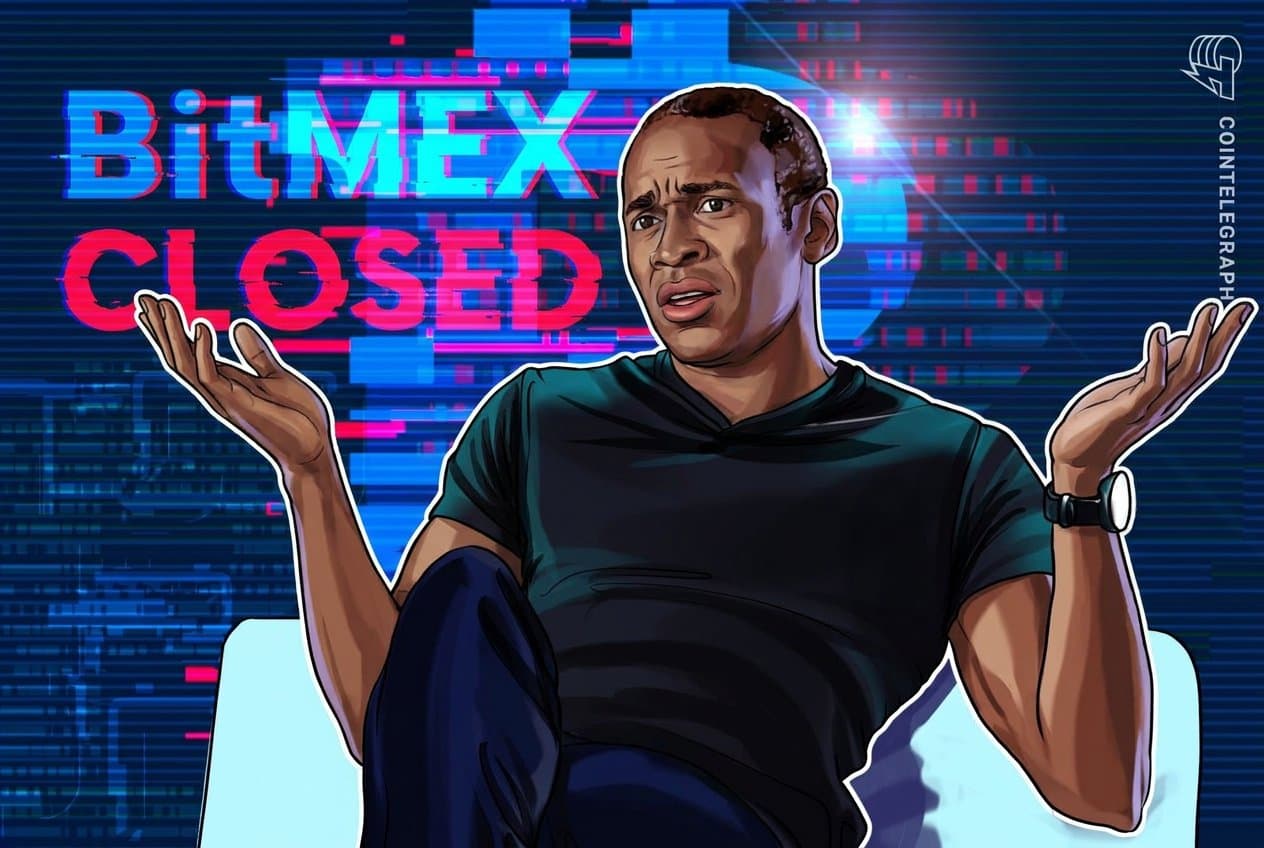
BitMEX, once a pioneer in crypto derivatives trading, is closing its doors. The end of this chapter reveals a broader shift in the space, where rising regulatory costs and a trend toward licensed platforms are reshaping the market.
Regulatory Costs Push Exchanges Toward Consolidation
BitMEX’s shutdown signals more than just the exit of a major player. It reflects the increasing financial burden exchanges face due to tightening regulations worldwide. Compliance expenses have surged, squeezing smaller and less capitalized venues out of the market. Analysts note that this is accelerating consolidation, with trading volumes concentrating in a handful of licensed exchanges.
Shift From Unregulated to Licensed Trading Spaces
Where BitMEX thrived in an era of limited oversight, the environment is now shifting rapidly. Investors and regulators alike favor platforms that operate transparently under formal licensing. This move aims to enhance security and protect users but also raises barriers for emerging competitors. The industry is evolving from a fragmented scene of niche players toward a more centralized, compliant ecosystem.
Market Concentration and What It Means for Traders
As smaller exchanges disappear or merge, the crypto market is becoming less diverse. This concentration can lead to reduced competition and potentially higher fees for traders. However, it may also bring improved stability and regulatory certainty. The closure of BitMEX joins other signs of this trend, including developments like Uniswap’s new compliance features, which further shows the industry's shift toward regulated trading environments.