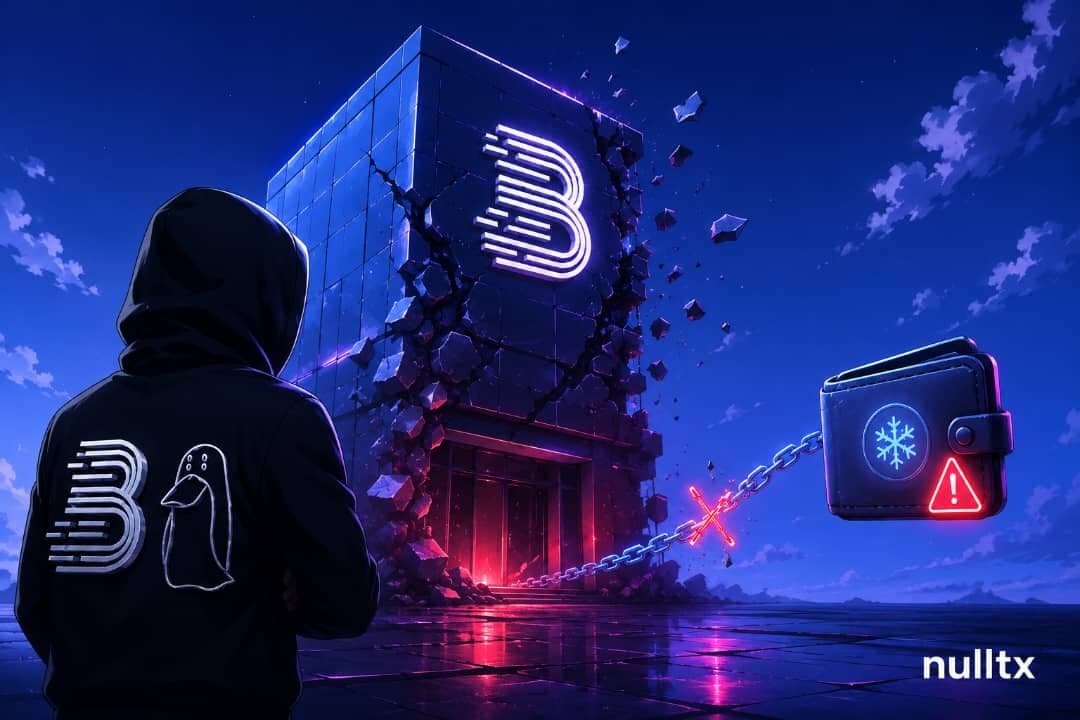
BitMart announced a planned shutdown, promising users time and transparency to withdraw funds. Instead, withdrawals froze almost immediately, locking millions in limbo as the exchange's leadership went silent.
What BitMart Promised vs. What Actually Happened
The exchange released a schedule outlining a phased closure: deposits stopped on July 26, 2026, trading would cease by August 26, and full closure was set for January 31, 2027. Withdrawals were supposed to remain active throughout, albeit with some compliance checks.
On paper, this sounded like a calm wind-down, giving users six months to safely retrieve assets. Reality clashed sharply with this narrative. Within hours of the announcement, users flagged withdrawal statuses marked 'completed' without corresponding on-chain transfers. Messages about on-chain withdrawal freezes and pending USDT transactions piled up. Simple $100 test withdrawals failed to confirm. Data from Lookonchain revealed that over 24 hours, only 58 wallets managed to free about $805,000, with an eight-hour period showing zero processed withdrawals. This starkly contrasts with the 'orderly' exit BitMart promoted.
ZachXBT Voices Harsh Criticism from On-Chain Analysis
Prominent on-chain analyst ZachXBT offered a blunt take, pointing to a recurring pattern where exchanges use terms like 'orderly' to pacify users while quietly shutting doors. He argued that users bear some responsibility for entrusting their assets to an offshore platform with limited accountability.
A user coalition representing $3.7 million in frozen funds has now threatened legal action, highlighting the growing frustration. With BitMart's leadership remaining quiet, community response and investigations could intensify. This echoes broader tensions in crypto where regulatory gaps leave users vulnerable.
Meanwhile, the crypto market braced for uncertainty as such incidents shows risks inherent in centralized exchanges. BitMart's failure to deliver on its promises puts a spotlight on the fragile trust between platforms and their clients, a concern also felt across key markets like the S&P 500 and Bitcoin trading.
This content is for informational purposes only and does not constitute financial advice.