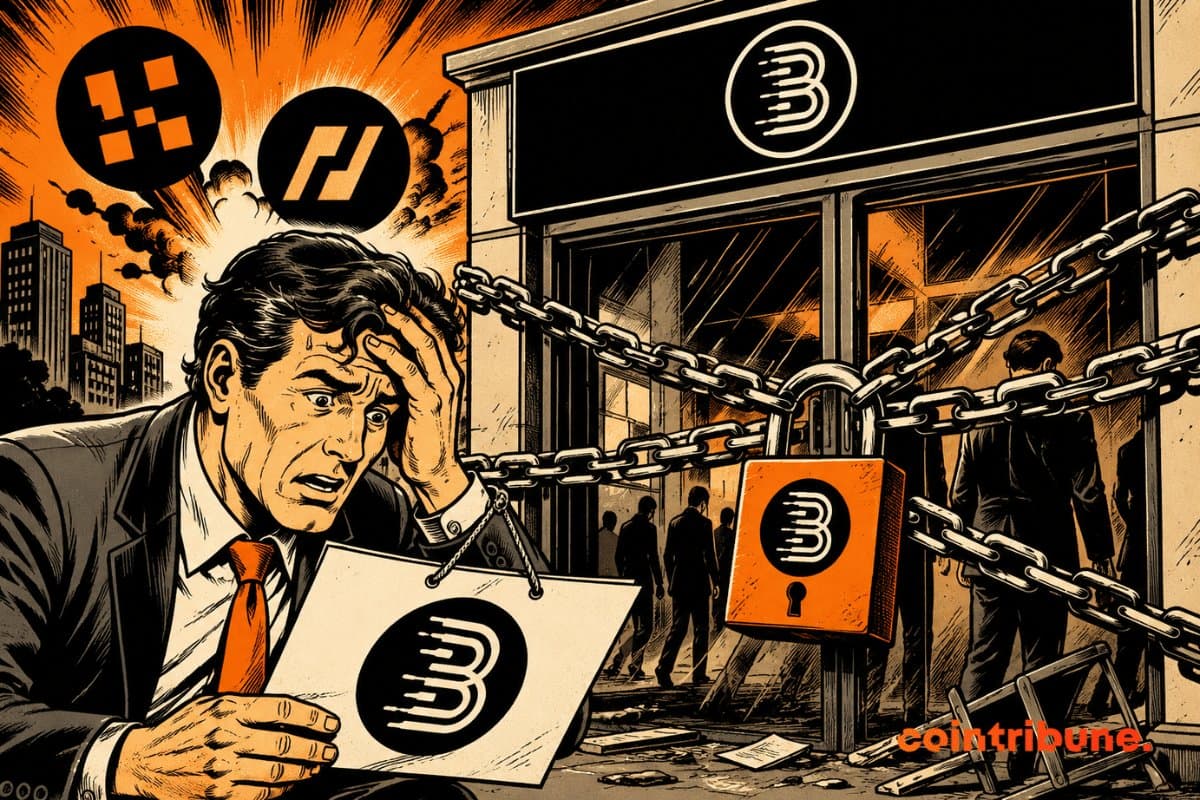
BitMart has surprised the crypto community by revealing plans to wind down operations over the next several months, adding to the wave of major exchange closures that started with Bit.com and BitMEX. Unlike abrupt shutdowns, BitMart laid out a detailed timetable, giving its users ample time to wrap up trading and withdraw funds before the platform goes offline in early 2027.
Step-by-step shutdown with clear deadlines
In a public statement, BitMart attributed its decision to a broad evaluation of market conditions and strategic goals, without citing any single triggering event. The shutdown will unfold gradually: new user registrations, deposits, and order placements have already been disabled. Spot and futures trading will cease by August 26, 2026, when users are advised to close all open positions. Withdrawal requests should also be submitted by that date to avoid delays, though requests after the deadline remain possible pending extra verification procedures.
The final date for complete platform closure is set for January 31, 2027, at which point all trading functions and account access will end. Until then, users can still access their accounts to check statements and withdraw remaining assets. Certain services like copy trading, grid trading, API trading, and financial products such as staking, lending, and Launchpad will be phased out during this period.
Impact on users and industry ripple effects
BitMart’s shutdown adds to a pattern that has seen two other major players exit the scene recently: Bit.com initiated its closure several months ago, and BitMEX announced its permanent cessation effective September 23, 2024. These exits shake up liquidity and user choice in the centralized exchange market. Users must act quickly to avoid being caught off guard by frozen assets or limited withdrawal windows.
Interestingly, BitMart’s CEO resigned just a day after the closure announcement, signaling possible internal upheaval behind the scenes. This could fuel speculation about the challenges centralized exchanges face amid increasing regulatory scrutiny and evolving market dynamics.
What’s next for crypto exchanges?
The closures of Bit.com, BitMEX, and now BitMart mark a notable transition phase in the crypto ecosystem, highlighting the volatility and shifting landscape of centralized platforms. Traders and investors may increasingly consider decentralized alternatives or diversify across multiple venues to mitigate risk. Meanwhile, regulatory pressures and operational costs continue to reshape how exchanges operate.
Material provided for informational purposes only, not financial advice.