Sixteen security researchers found 85 critical vulnerabilities scattered across the Bitcoin ecosystem in barely more than a day. The Bitcoin Red Team, a volunteer group working with AI-powered scanning tools, logged 4,962 total findings across 390 open-source projects between August 4 and 5, 2026, averaging 180 discoveries per hour collectively.
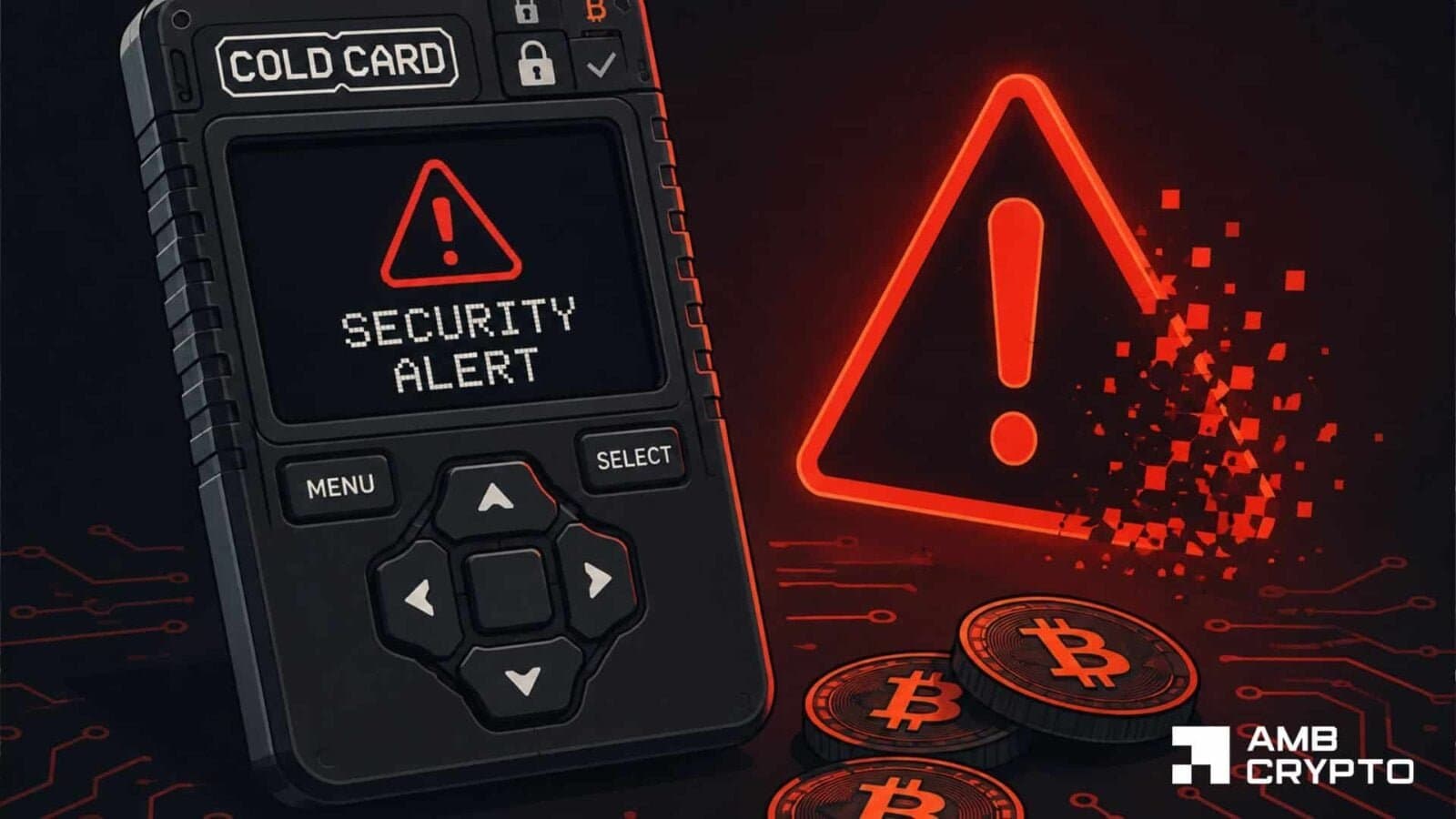
The audit sprint was triggered by recent security lapses in COLDCARD, a hardware wallet that millions of Bitcoin holders rely on for cold storage. OpenSats, a nonprofit backing open-source Bitcoin development, funded the effort with nearly $40,000, allowing the volunteer model to scale far beyond what manual code review could achieve.
What the numbers actually mean
Of the 4,962 findings, 635 were flagged as high-severity and 85 as critical. That's roughly 2.31 issues per researcher per hour, a pace that would have been impossible without AI-driven analysis tools scanning codebases at machine speed. The Red Team is planning to open-source the tools they built, which could reshape how the broader crypto community approaches security work.
The sprint represents a dramatic escalation from the team's earlier work. Prior to August, they had scanned around 150 repositories and made over a dozen private disclosures. This time, scope and urgency exploded.
Why this matters beyond the headlines
Bitcoin's open-source culture is its backbone, but in reality most projects never get serious security review unless they're famous or wealthy enough to hire auditors. A small project with a few thousand users typically gets zero professional scrutiny. The Red Team followed strict responsible disclosure, reproducing critical issues locally before alerting maintainers privately, which is how security work should happen.
The existence of vulnerabilities doesn't mean Bitcoin itself is collapsing. It means thousands of smaller codebases that touch the ecosystem had never been examined closely. Now they have been. Project maintainers are getting the details, and the community gets a clearer picture of where actual risks sit.
This article is informational and not financial advice. Always conduct your own research before making investment decisions in cryptocurrency.