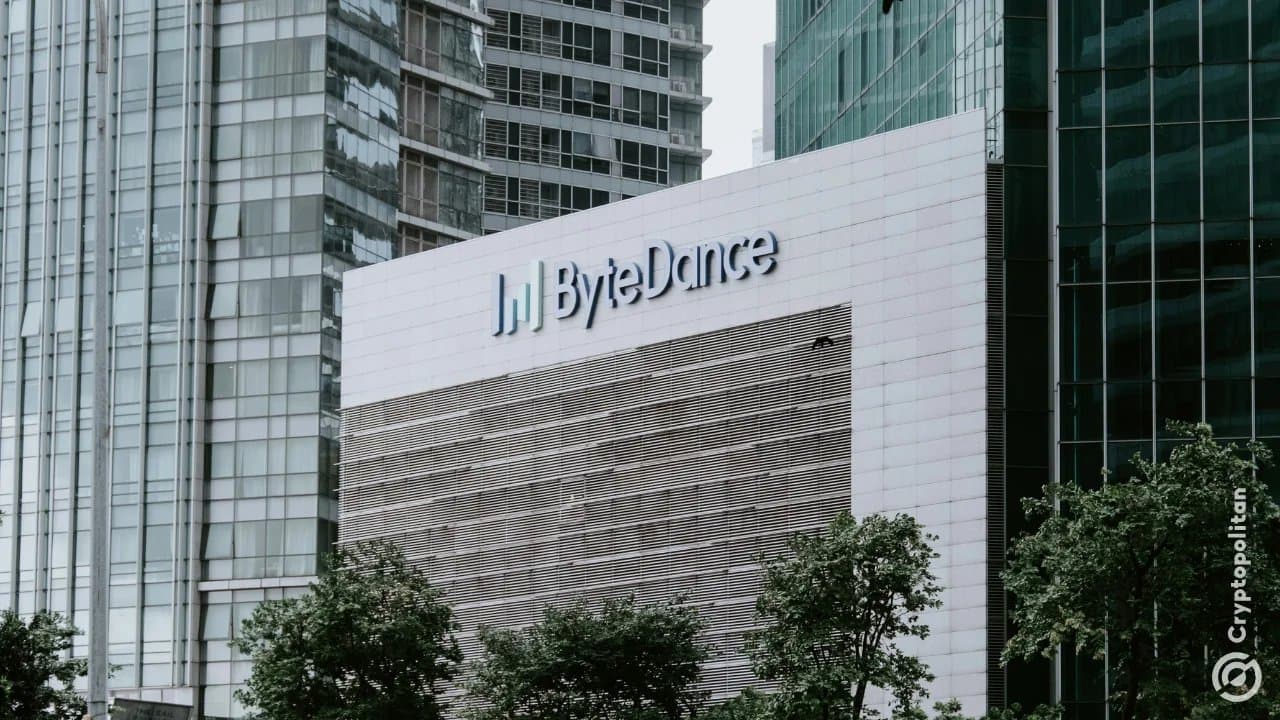
Zhang Yiming just drew a line in the sand. ByteDance's founder has flatly rejected using distillation to train the company's AI models, bucking a practice that's become standard across Chinese labs scrambling to catch up with US competitors.
The move matters because Washington is now actively hunting distillation. US officials have spent weeks accusing Chinese AI shops of using the technique to bridge the capability gap with American systems, threatening sanctions if it doesn't stop. Yet Zhang is going the opposite direction.
Distillation itself is simple enough. You take a large, powerful AI model and feed its outputs into a smaller system, essentially teaching the junior model to mimic the senior one. It's fast, cheap, and increasingly common. Most labs do it openly as part of standard training pipelines. But when the smaller model starts from scratch on stolen outputs instead of building its own knowledge base, regulators see theft.
Zhang has gotten hands-on about this. The Information reports he's been meeting directly with senior researchers to understand ByteDance's AI roadmap and personally monitoring recruitment. He's not just setting policy from the C-suite. This level of involvement signals the stakes he sees in the race, and his conviction that the shortcut isn't worth taking.
The timing is sharp. ByteDance already owns Seedance, a video model that actually performs better than most Chinese competitors, a rare win in a field dominated by American dominance. If Zhang can build legitimacy through raw engineering talent and compute power rather than clever copying, ByteDance could position itself as the serious player among Chinese AI labs when sanctions inevitably tighten.
This article is informational only and does not constitute financial or investment advice. Always conduct your own research before making decisions about tech stocks or crypto assets.