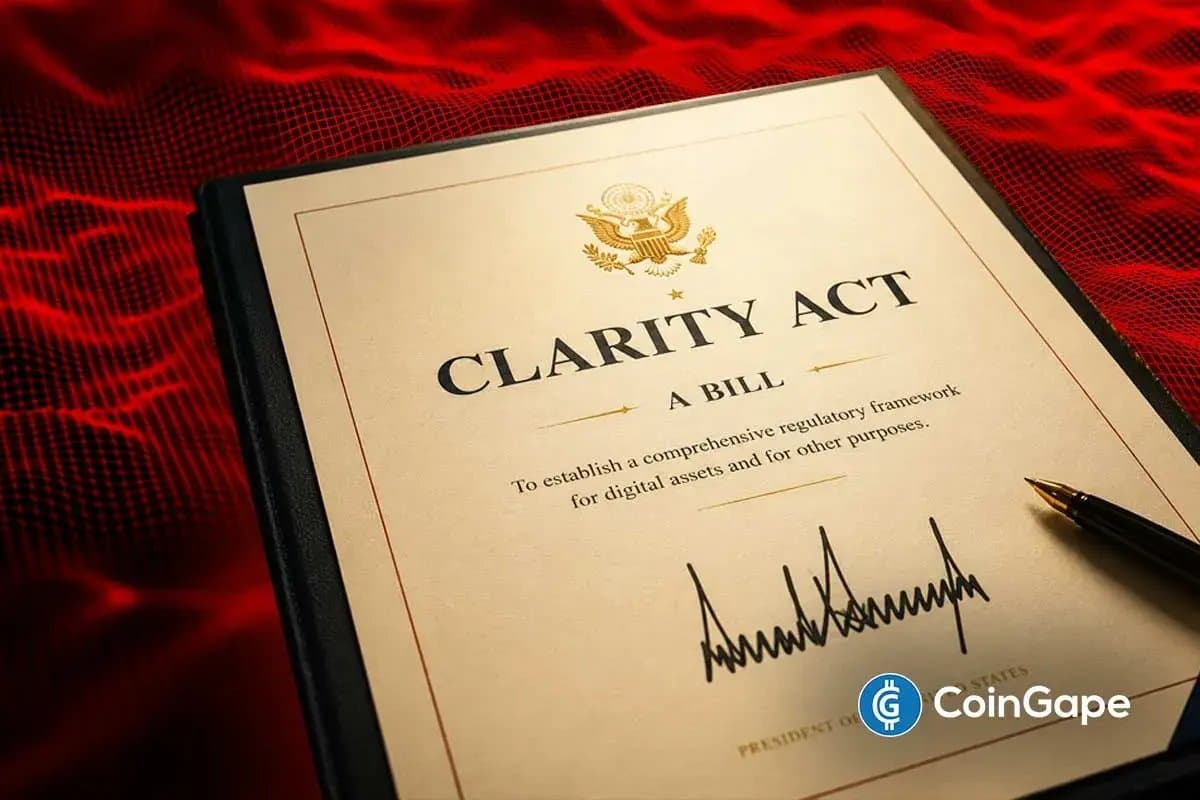
The CLARITY Act remains stuck in legislative limbo. Senate Majority Leader John Thune filed cloture on a separate bill this week, effectively pushing crypto regulation further down the calendar. The move signals that despite months of industry anticipation, full digital asset rules are not imminent on the Senate floor.
Thune's decision to advance other legislation first suggests competing priorities dominate the upper chamber. The CLARITY Act, which would establish clearer regulatory frameworks for stablecoins and digital assets, has been discussed across Capitol Hill for some time. Yet procedural maneuvers and legislative gridlock keep it from reaching a vote.
What This Means for Crypto Policy
The delay matters because regulatory uncertainty continues to hamper institutional adoption and innovation. Companies operating in the crypto space need concrete rules, not endless negotiation cycles. Each postponement reinforces the patchwork approach that has defined U.S. digital asset oversight so far, with different agencies claiming jurisdiction over overlapping responsibilities.
Industry observers expected movement on CLARITY once the new Congress settled in. Instead, Thune's cloture filing indicates that other bills take precedence. Whether this reflects genuine disagreement on crypto provisions or simply calendar constraints remains unclear. What is clear: passage is not happening this week or next.
The Waiting Game Continues
Crypto advocates have learned patience. Similar regulatory efforts have stalled before, sometimes for months. The CLARITY Act's core supporters still include key senators on both sides of the aisle, which suggests it could resurface. But resurrection requires floor time, and floor time in a busy Congress is scarce.
Meanwhile, the crypto market absorbs these delays as background noise. Bitcoin trades around $64,500, relatively indifferent to legislative setbacks that might have spooked traders years ago. Yet regulatory clarity would matter enormously for compliance-first institutions considering large allocations to digital assets.
This article provides information about legislative developments affecting cryptocurrency. It is not financial or investment advice and does not constitute a recommendation to buy, sell, or hold any asset.