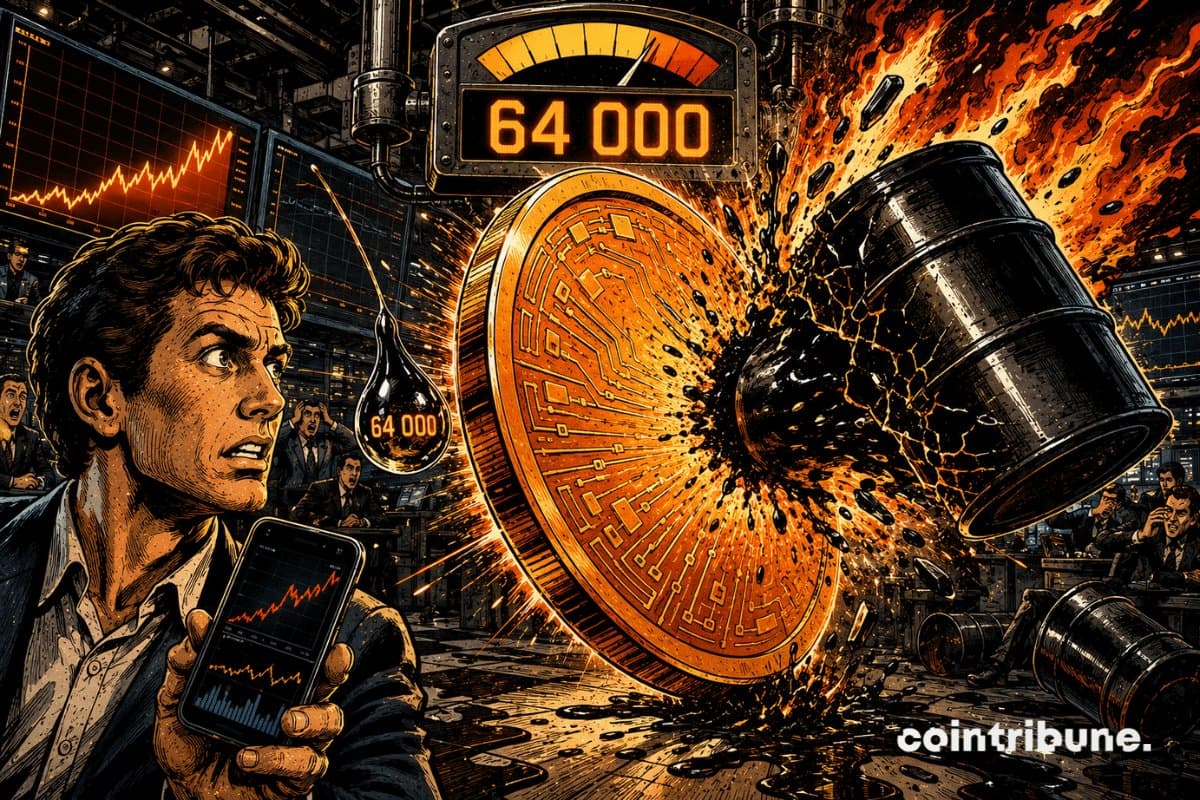
Bitcoin remains steady around $64,000 amid a significant increase in oil prices and turmoil in tech shares. Brent crude rose to $91.42 per barrel, a level not reached since June, driven by escalating tensions between the US and Iran.
The spike in oil rekindles fears of inflation and potential monetary tightening, which historically pressure risky assets like Bitcoin. However, BTC has held its ground without a sharp decline.
Over the past week, Bitcoin gained roughly 3%, reflecting resilience rather than a breakout. Ethereum outperformed with a 5% rise, maintaining its status as a leading asset. Other altcoins such as XRP, Solana, BNB, and Dogecoin showed minimal movement.
This market stability suggests a cautious balance: sellers are present but have not gained control, while buyers remain restrained. Bitcoin is currently in a zone of uncertain neutrality, vulnerable to sudden shifts from new market shocks.
The recent introduction of Moonshot AI's Kimi K3 model caused a sell-off in semiconductor stocks. This ripple effect has affected tech-related assets on Wall Street, including Bitcoin in its role as a growth asset. Declines in AI valuations may impact companies tied to crypto mining and infrastructure, further pressuring the sector.
Asia's markets have already started to experience this AI-driven impact. Bitcoin miners have been promoting AI, data center expansions, and energy initiatives. Weakness in the AI segment could cool investor enthusiasm around these developments.
This article is for informational purposes and does not constitute financial advice.