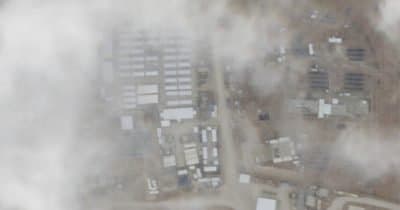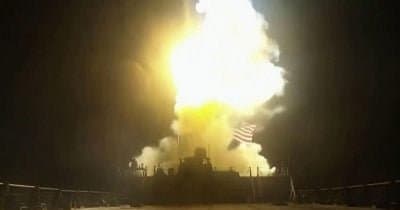
The US military completed its tenth consecutive night of airstrikes against Iran, focusing on military command centers and missile installations. These actions represent a notable escalation in the dispute centered on the Strait of Hormuz that began earlier this month.
Details of the Airstrikes
The strikes specifically targeted Iran’s military command and control infrastructure, aiming to degrade its operational capabilities. This sustained campaign follows a pattern of Iranian missile and drone retaliations against US bases across the Middle East. The coordinated effort by US forces appears designed to disrupt Iran’s ability to coordinate further attacks.
Market Response and Airspace Concerns
Market observers interpret the escalation as raising the probability that Iran will enforce a full closure of its airspace as a defensive measure. Current market pricing indicates a 27.5% chance that Iran will implement such a closure by July 31. Traders are closely watching for any formal notifications from the Civil Aviation Organization of Iran, such as a Notice to Air Missions (NOTAM), which would confirm a closure.
Ongoing Tensions and Future Developments
The conflict remains volatile, with the possibility of further military actions or attempts at de-escalation from either side likely to influence market expectations. The situation continues to evolve rapidly, affecting regional security and global markets.
Information presented is not financial advice.