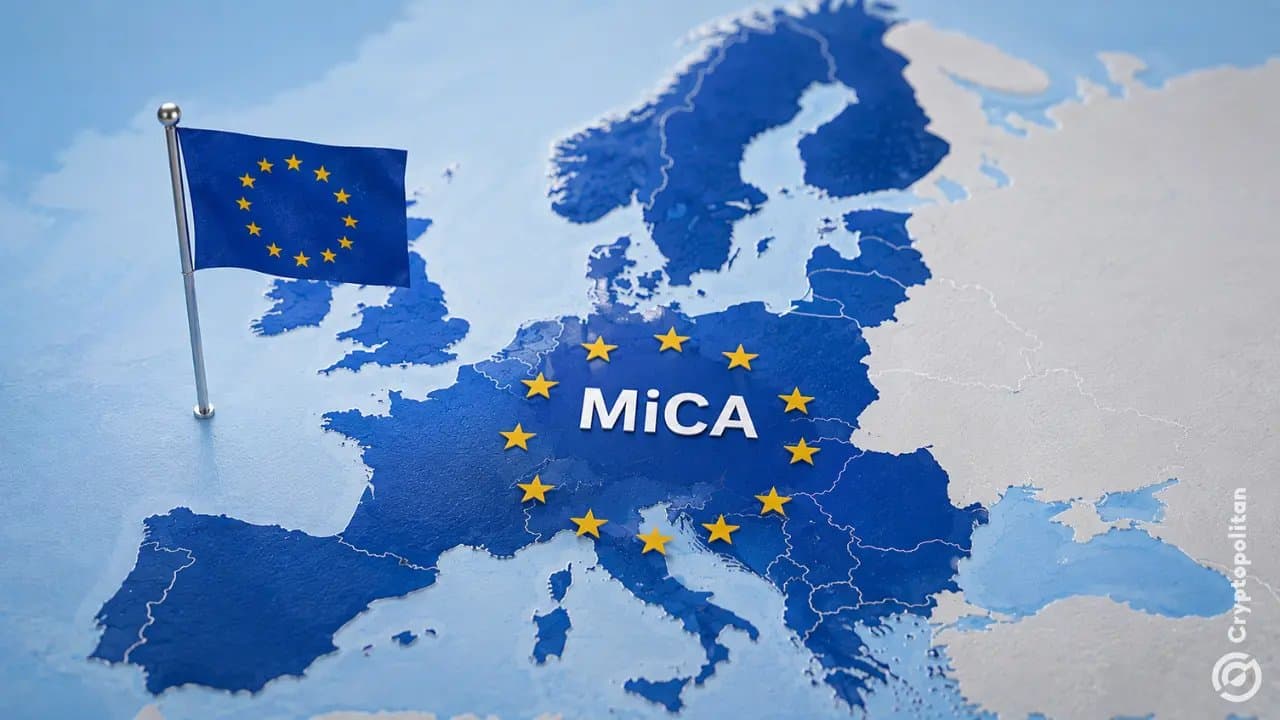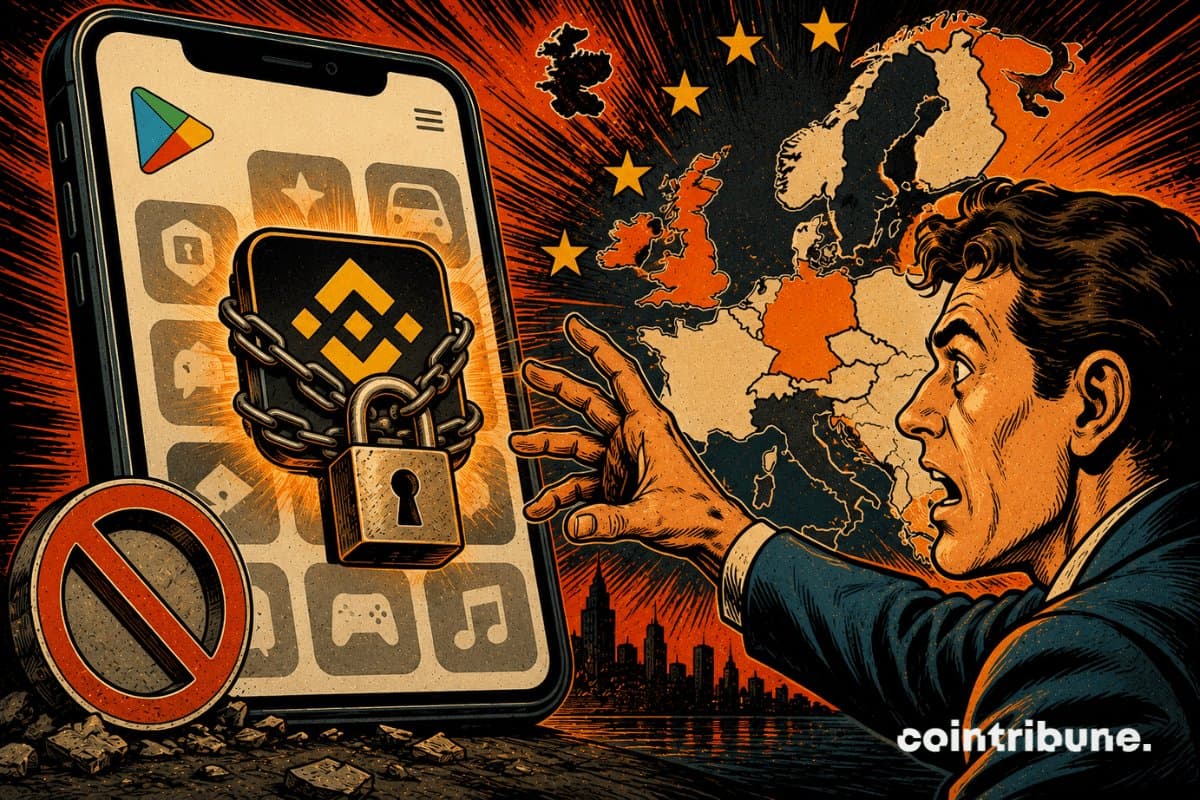
Since July 27, users in several European Union countries can no longer find Binance’s Android app on Google Play. This sudden disappearance coincides with the end of the MiCA regulation’s transition period on July 1, 2026, effectively cutting off a key distribution channel for one of the world’s largest crypto platforms in parts of Europe.
Uneven Removal Across the EU Raises Questions
Not every EU country has seen Binance disappear from Google Play. While Spanish and Latvian users reported the app vanishing from search results, Polish users still have access to it. This patchwork enforcement hints at a deliberate strategy, likely reflecting differing stances from national regulators on Binance’s compliance with MiCA licensing requirements.
The MiCA regulation aims to unify Europe’s digital asset rules, but its enforcement remains partially in the hands of local authorities, creating a fragmented market experience. For example, Binance also withdrew its MiCA license application in Greece shortly before the transition deadline, signaling friction in certain jurisdictions.
Google’s Policy Shifts and Binance’s Response
A Binance spokesperson acknowledged that Google updated its policies regarding crypto apps in "certain markets," which has affected the availability of app updates. The company is in talks with Google to resolve the issue, although specifics on which countries are impacted or what exact rules caused the app’s removal remain undisclosed.
While Binance has not officially linked the removal to MiCA licensing demands, the timing and accounts from industry insiders like OKX Europe’s CEO Erald Ghoos lend weight to that theory. It's also notable that the Binance app continues to be available on Oppo’s App Market, an alternative Android store, showing how ecosystem diversity can provide workarounds when official channels tighten restrictions.
Regulatory Fragmentation Shakes Crypto Giants
This development is part of broader regulatory shifts currently impacting major crypto players, including those that seemed well-prepared for Europe’s new rules. As the MiCA framework moves from transition to enforcement, the uneven approach among EU countries and tech giants’ policy updates are reshaping how crypto platforms operate within the bloc.