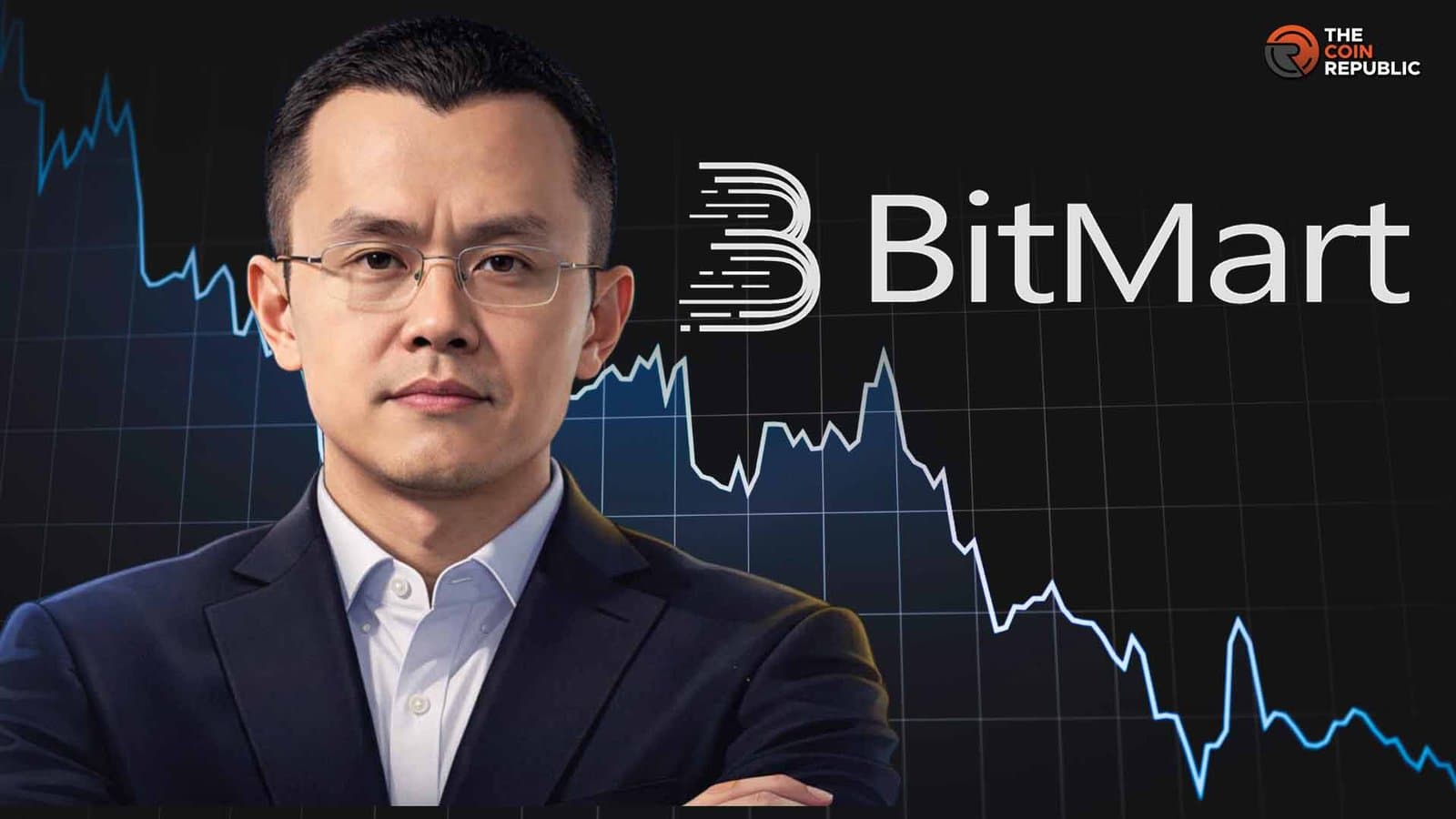
Binance's founder Changpeng Zhao raised alarms about unexpected security problems lurking in crypto exchange acquisitions. He emphasized that buying smaller trading platforms isn’t just about inheriting customers and trading volumes but also the risk of inheriting flawed security systems and outdated infrastructure that might not be visible until after the deal closes.
Legacy Security Flaws Pose Hidden Risks
Zhao pointed out that unlike most business acquisitions, acquiring a smaller crypto exchange carries unique dangers. Vulnerabilities like legacy backdoors and software weaknesses can remain concealed for years, only emerging once the new owners take over. This complex security footprint depends heavily on foundational elements such as system architecture, database design, and credential management.
Attempting to fix these ingrained issues post-acquisition could prove more expensive and time-consuming than building fresh systems from scratch. Zhao’s warning echoes his 2020 Binance blog, where he highlighted the greater hacker exposure smaller exchanges face due to weaker security practices compared to their larger counterparts.
BitMart’s Exit Underlines Industry Challenges
The cautionary note comes as BitMart announced its plan to shut down, following BitMEX’s exit from the exchange market earlier this year. BitMart cited a review of market conditions and strategic goals as reasons for closing, without pinpointing a single cause. It immediately halted new user registrations, deposits, and trading orders, with full service termination scheduled for August 26 at 01:00 UTC.
Users must withdraw funds before closure, with futures accounts limited to reduce-only positions and spot trading frozen for new orders. Ancillary services like copy trading and staking are also being phased out according to separate timetables.
BitMart’s shutdown highlights the fragility and evolving nature of the crypto exchange landscape, where security and operational risks can have dramatic consequences.
This content is for informational purposes and does not constitute financial advice.