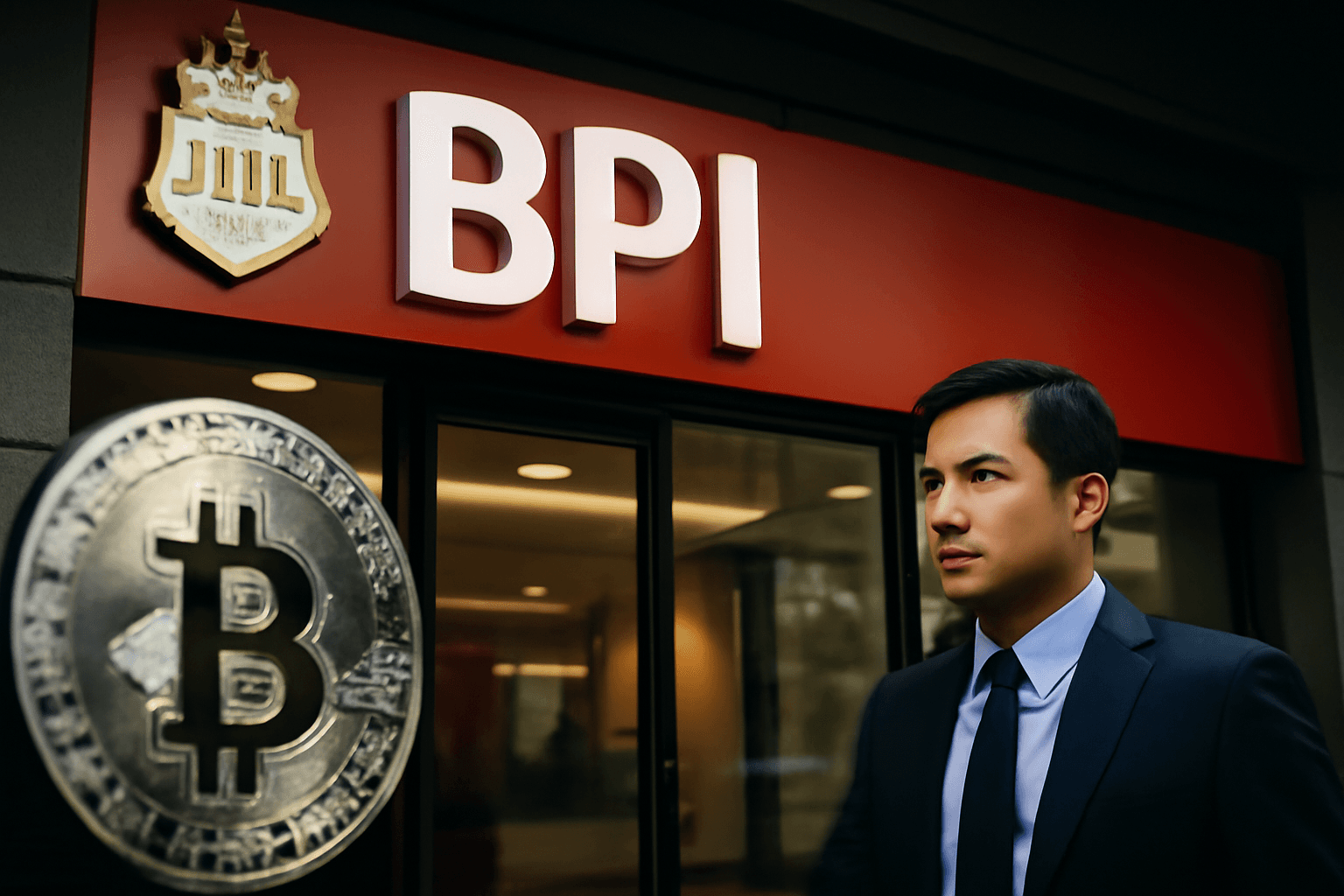
The Bank of the Philippine Islands (BPI) has started testing a stablecoin-based system designed to speed up international payments, focusing on the country's $40 billion remittance market from overseas workers. The trial targets freelancers, virtual assistants, and Filipino nationals working abroad who receive payments in foreign currencies.
The platform uses stablecoins as a bridge to settle payments before converting them into Philippine pesos. This allows recipients to get their funds faster and directly into their BPI bank accounts, bypassing traditional correspondent banking delays. According to BPI, this initiative is expected to significantly reduce transaction costs and cut down settlement times.
Partnership and Regulatory Framework
Meridian developed the underlying blockchain settlement technology in collaboration with BPI. The trial runs under the close supervision of Bangko Sentral ng Pilipinas (BSP), which ensures transparency, compliance, and consumer protection. The central bank's framework also requires stablecoin operations to maintain reserves and adhere to strict redemption policies.
BPI plans to expand the program within the year, aiming for full operational status by November 2026, in time for the 49th ASEAN Summit. This launch signals a shift towards blockchain adoption in regulated finance, with potential implications for other payment services in the region.
Recent moves by BSP to tighten regulations on virtual asset service providers accompany this pilot, setting higher standards for liquidity and legal compliance. Meanwhile, the Philippine Securities and Exchange Commission’s ongoing Strategic Regulatory Sandbox promotes similar tokenized financial experiments.
Stablecoins might become a big deal for overseas salary and remittance payments, carving a path for scalable, transparent, and cost-efficient cross-border transactions in the Philippine financial landscape.
This content is for informational purposes only and does not constitute financial advice.