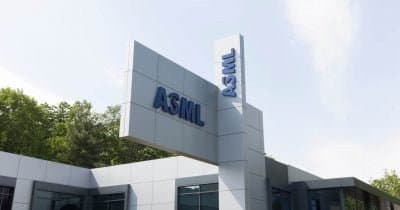
ASML’s stock tumbled over 5 percent late July 2026, wiping out roughly €55 billion in market value after news broke that a Shanghai-based firm had started mass-producing domestic Deep Ultraviolet (DUV) lithography machines. Investors rushed to digest what appeared at first glance to be a big threat to ASML’s technology dominance in chip manufacturing.
But this market shock misses the bigger picture. The Chinese company’s milestone involves DUV machines, tools used for older chipmaking processes. ASML’s real crown jewel is its Extreme Ultraviolet (EUV) lithography systems, which handle the most advanced semiconductor nodes powering AI and next-gen processors. No other firm can match ASML’s EUV technology at scale, and no credible challenger has emerged.
China’s ambitions collide with tough export controls
The Shanghai firm aims to supply domestic chipmakers such as SMIC, Hua Hong Semiconductor, and ChangXin Memory Technologies with these DUV machines by the end of 2026. However, analysts who compared the technical specs say these Chinese machines do not rival ASML’s offerings in performance or precision. Meanwhile, US and Dutch export restrictions bar ASML from selling its EUV tools to China and are tightening limits even on the older DUV equipment.
China’s share of ASML’s revenue, which was 33 percent in 2025, is forecast to drop to about 20 percent in 2026, driven by those export controls rather than a drop in demand. The mainland is pushing domestic DUV production to reduce reliance on foreign imports that may soon be off limits.
This dynamic underlines why ASML’s core position remains secure. The advanced chips that fuel artificial intelligence rely on EUV lithography at cutting-edge nodes, where ASML reigns unchallenged. Its biggest customers TSMC, Samsung, and Intel continue depending on the Dutch giant for their most sophisticated processors.
Though the market shook on the news, the reality is China’s drive focuses on older chip process nodes, far from ASML’s EUV spotlight. This episode echoes other tech sector jitters, like the volatility around Microsoft’s recent AI investments, but at its core, ASML’s moat remains intact.
This content is for informational purposes only and should not be considered financial advice.